

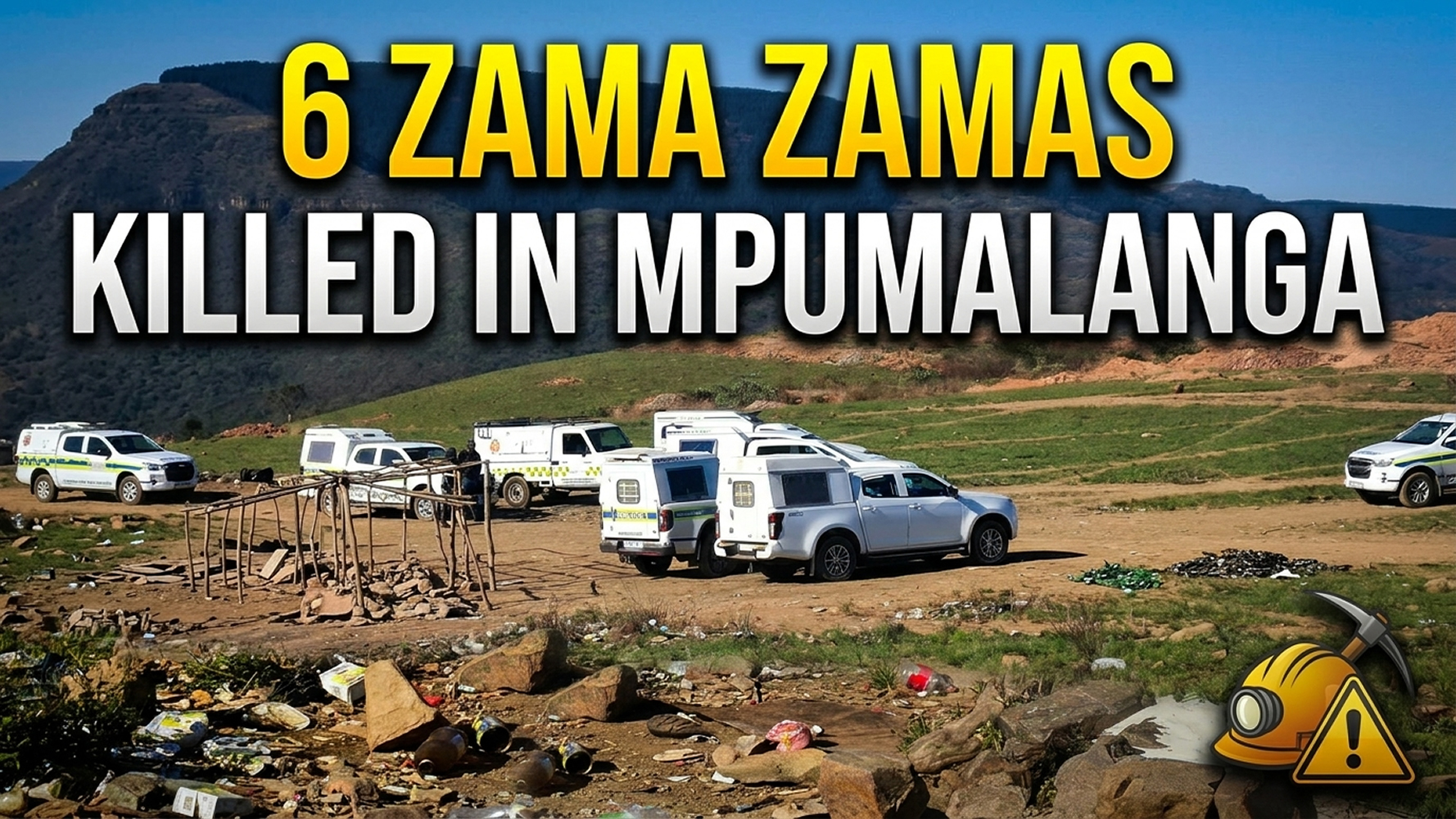
The video discusses the grim discovery of six men shot dead on a mountain in Ngodwana in Mpumalanga province in South Africa. These victims were identified as suspected "zama zamas," or illegal miners. The incident, reported on August 29, 2026, by a local resident, quickly initiated a murder investigation and exposed the perilous, clandestine world of illicit mining.
The discovery immediately raised questions about the circumstances leading to their deaths, access to the site, and who was responsible. Initial police theories point to a conflict between rival illegal mining groups, a common occurrence in areas with weak state control. This event highlights the complex and dangerous operations beneath seemingly abandoned mines, which often conceal extensive networks of workers, organizers, guards, transporters, suppliers, and buyers, all vying for control over valuable minerals.
Zama zamas, frequently driven by poverty, risk their lives in unstable, poorly ventilated tunnels prone to collapses, fires, and toxic gases. The presence of armed groups escalates the danger, turning disputes over access, resources, or territory into deadly confrontations. The Ngodwana shooting is more than just six deaths; it underscores a larger issue of authority and lawlessness in these mining zones. Without effective state oversight, criminal elements dictate rules, recruit workers, and control mineral extraction.
The impact extends beyond the tunnels, affecting local communities with environmental damage, open shafts posing risks, and the presence of unfamiliar, often armed, individuals. The extensive support system for illegal mining—including transport, supplies, protection, processing, and sales—makes it challenging to dismantle. This intricate network means investigators must look beyond the immediate crime scene to understand the true beneficiaries and power brokers.
While no direct link is established, the Ngodwana incident mirrors other violent events in South Africa's illegal mining landscape, such as a mass shooting in Johannesburg. Both cases illuminate a national problem rooted in abandoned mine infrastructure, poverty, valuable minerals, and armed groups.
The ongoing investigation will delve into the victims' identities, their roles within the mining operations, and their connections to any organized groups. The central question remains: who controls these tunnels? The answer will reveal the true extent of power dynamics, explaining why six men met their end on a Mpumalanga mountain. This tragedy exposes a brutal struggle over land, labour, minerals, and power, where an underground economy thrives, groups compete, and communities bear the consequences. The investigation aims to uncover not just the perpetrators but the wider criminal network enabling this illicit trade.