

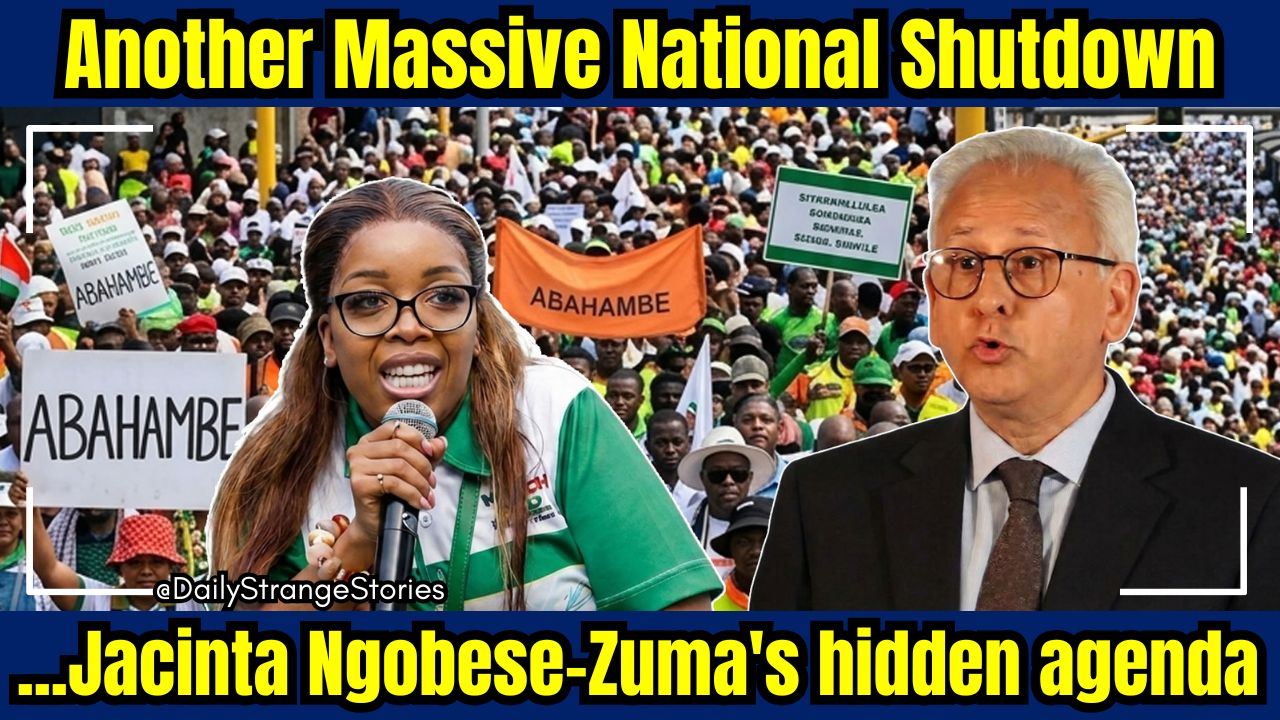
JOHANNESBURG, SOUTH AFRICA – What began as a series of planned weekly protests by the anti-immigrant civic body "March and March" has rapidly escalated into a disturbing pattern of localised intimidation and confrontation across South Africa. Following their June 30 "shutdown," groups have been moving through communities, business areas, and informal trading spaces, ostensibly to enforce immigration laws. However, reports from the ground paint a far more sinister picture, revealing actions that critics are decrying as vigilantism and a dangerous slide towards xenophobia.
In areas including Alexandra, Katlehong, Boksburg, and Rosettenville, these groups have engaged in what organisers and supporters describe as "peaceful protests" against undocumented migrants. Yet, the reality on the streets has been anything but peaceful. In Alexandra, a few hundred individuals embarked on a "door-to-door" campaign, aggressively targeting houses where undocumented migrants were suspected of residing. The tactics employed have been deeply unsettling, with one incident involving a group of aggressive men surrounding and harassing a woman trading on the sidewalk, demanding she recite her clan names to confirm her South African identity.
Street vendor stalls suspected of belonging to migrants were reportedly destroyed, individuals were subjected to harassment, and threats were openly made to damage property owned by migrants. Before one group departed from the KwaNobuhle hostel in the morning, organiser Induna Myeza chillingly declared that they would not loot because they "were not hungry." He added, "We will check for illegal immigrants who hide in houses and put locks on those houses," a statement that underscores the alarming intent behind these actions.
The atmosphere of fear is palpable. As the mob moved through Alexandra, a man from Mpumalanga was observed standing on the side of the road, conspicuously holding his ID card, a desperate attempt to prove his South African citizenship and avoid confrontation. This scene highlights the profound anxiety gripping communities where these groups operate, forcing citizens to defend their right to exist in their own country.
Despite the clear evidence of intimidation, some marchers vehemently deny being driven by tribalism or xenophobia. Mathapelo Senyolo, a participant, rejected such suggestions, stating, "Yes, many marchers are Zulus singing Zulu songs, but I can feel the unity. We are all South Africans fighting for the same goal." This sentiment, however, does little to assuage the fears of those being targeted or the concerns of human rights advocates.
In Katlehong, southeast of Johannesburg, approximately 200 people engaged in a similar "door-to-door" campaign. Their focus was on homes where migrants were renting from South African landlords, issuing notices for them to vacate. The mob eventually converged on Alex Ngonyama’s panel-beating business in the Phake section of Katlehong, where they harassed Ngonyama and his workers, alleging they were migrants. Ngonyama, visibly angered, retorted, "I’m not a foreigner, and I will not shut down my business." He was subsequently informed that he was breaking the law by employing undocumented migrants and would not be permitted to continue his operations.
Rosettenville, in the south of Johannesburg, also witnessed similar gatherings, albeit on a smaller scale. A group of mostly women sang outside a local McDonald’s, while several migrant-owned businesses in the immediate vicinity were observed to be closed, a clear indication of the chilling effect these demonstrations are having on economic activity and livelihoods. Throughout Thursday, vigilante groups were reportedly marching to homes and businesses across many other parts of Johannesburg where migrants were living and working.
Mpho Makhubela, a spokesperson at Lawyers for Human Rights, unequivocally condemned these actions. "These are not lawful protests but vigilantism," Makhubela stated, emphasizing that such activities are "inconsistent with the law and the constitution." His sentiments were echoed by Mike Ndlovu of Kopanang Africa Against Xenophobia, who referred to the situation as "a crisis of humanity," dismissing any notion that the activities were peaceful.
The escalating situation raises critical questions about the role of law enforcement and the government in protecting all residents, regardless of their nationality or documentation status. While the frustration over undocumented immigration is a complex issue, the resort to vigilantism and the targeting of individuals based on perceived foreignness poses a grave threat to social cohesion and the rule of law. The actions of "March and March" and similar groups risk plunging communities into further instability and violence, undermining the very fabric of South African society.
This story, produced by Our City News, a nonprofit newsroom serving Johannesburg, highlights the urgent need for dialogue, intervention, and clear legal enforcement to prevent a full-blown humanitarian crisis. The question remains: how will authorities respond to this escalating intimidation, and can South Africa prevent these "protests" from spiraling into widespread xenophobic violence that could leave an indelible stain on the nation's conscience? The answers will determine the future of countless lives and the soul of a nation grappling with its identity.