Tensions flared in Pietermaritzburg on Friday after a 29-year-old Malawian man was allegedly stoned to death, triggering fear and panic at the Jika Joe informal settlement and forcing dozens of foreign nationals to flee their homes.
The killing followed a large protest in the city centre by the anti-immigrant civic movement March and March, which has been campaigning for the removal of undocumented foreign nationals from South Africa. By late afternoon, unrest had spread beyond the central business district to nearby communities, leaving displaced families scrambling for safety.
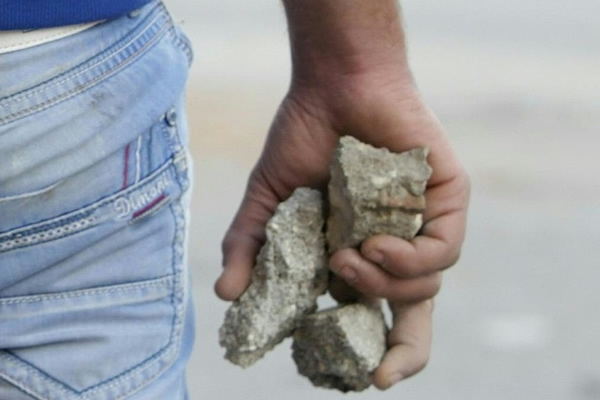
Residents at Jika Joe alleged that the man, who lived in the settlement with his family, was attacked by a group armed with sticks and stones. It is further alleged that his brother was injured during the incident.
The violence is believed to have been fuelled by heightened tensions earlier in the week, when a local woman reportedly addressed community members and claimed that her brother had been killed by Malawians. While police have not confirmed any link between that claim and Friday’s attack, residents said anger had been simmering in the area for days.
KwaZulu-Natal police spokesperson Colonel Robert Netshiunda confirmed that a murder case had been opened following the man’s death.
“Information available at this stage suggests that the deceased was allegedly attacked by a group of people at Sable Flats Manor but managed to escape and ran towards the Jika Joe informal settlement. Reports indicate that the deceased slipped into the river. He was found on the riverbed with a cut on the head and injuries on the mouth. He was declared dead at the scene.”
Police are investigating the circumstances that led to the attack and the subsequent death.
Netshiunda said officers were deployed to monitor the situation and that the area was stable.
However, ward councillor Suraya Reddy painted a far more precarious picture on Saturday, saying the situation remained volatile and that foreign nationals were too afraid to return to their homes.
According to Reddy, many fled without belongings as violence broke out.
“Many of them were attacked and were running, without shoes or their possessions, and came under attack. Some of them were injured, and we arranged temporary shelter for them. They are mainly Malawian, and we had to engage private medical care because they were refused treatment at government facilities.
“A network of NGOs are arranging a bus to have them transported to Durban, where we hope they can join other Malawians who were also chased away from their homes. It’s heartbreaking to see this unfolding here. It’s a human rights abuse and we cannot sit back and watch people attack other human beings for whatever reason.”
Her remarks suggest that the fallout from Friday’s violence extends beyond the immediate crime scene, raising broader concerns about access to healthcare and the safety of displaced migrants.
One resident, who asked not to be named, described the chaos as people fled in fear.
“It was a terrible sight seeing people running in terror. Even the children were traumatised,” the resident said.
The exodus from Jika Joe has once again placed the spotlight on the fraught relationship between some local communities and foreign nationals, particularly in economically strained areas where competition for jobs and resources is often cited as a source of resentment.
March and March’s protest earlier in the day had drawn large crowds to the Pietermaritzburg city centre. The group has consistently called for what it describes as decisive action against illegal immigration. While organisers have maintained that their campaign is lawful, critics argue that such demonstrations risk inflaming tensions in already fragile communities.
Msunduzi municipality mayor Mzimkhulu Thebolla condemned the killing and the violence that followed.
He described it as a crisis, saying human rights were being violated.
“Human lives are now at risk, whether foreign nationals or South Africans. We cannot allow people to come into communities and take a life,” he said.
Thebolla’s remarks underline the seriousness with which local authorities are treating the incident, as well as the broader implications for social cohesion in the municipality.
At the heart of the tragedy lies a young family that has lost a breadwinner. The 29-year-old victim had reportedly sought refuge in the river after being attacked, only to be found lifeless on the riverbed with head and facial injuries. Investigators are expected to determine whether he drowned after slipping or succumbed to injuries inflicted during the assault.
Meanwhile, humanitarian groups are scrambling to coordinate assistance for those displaced. Temporary shelter has been arranged, and efforts are under way to transport affected families to Durban, where other Malawian nationals who were previously displaced are believed to be staying.
As police continue their investigation, community leaders face the delicate task of restoring calm while addressing deep-seated grievances that have surfaced yet again.
For now, families who fled Jika Joe remain uncertain about when – or whether – they will be able to return home.