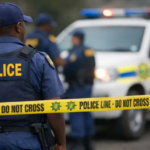
Cape Town, South Africa – The Western Cape South African Police Service (SAPS) is embroiled in a deepening scandal, with more than 20 police officers facing suspension and criminal charges for their alleged links to the volatile taxi industry. The bombshell revelation comes directly from Anroux Marais, the Western Cape MEC for Police Oversight and Community Safety, who confirmed that internal disciplinary actions are now firmly underway, promising a thorough cleansing of the force.
Marais’s confirmation sheds light on a pervasive issue that has long plagued the province, hinting at a systemic corruption that has allowed taxi violence to fester. “I am aware of this matter, which formed part of a briefing by SAPS management to the Provincial Executive during a recent Cabinet meeting,” Marais stated, underscoring the gravity with which the provincial government views these allegations. She further elaborated, “Numerous SAPS members in the Western Cape have been charged in relation to alleged links to the taxi industry, and internal disciplinary proceedings are underway.” This statement suggests that the current suspensions might only be the tip of a much larger iceberg, with more revelations potentially on the horizon.
The allegations, which paint a disturbing picture of complicity and corruption within the ranks, were brought to light by a courageous whistleblower. This anonymous source, whose identity remains protected, bravely shared intricate details with the Cape Argus, revealing that the alleged corruption has roots stretching back as far as 2024. More alarmingly, the whistleblower asserted that these serious concerns had been repeatedly brought to the attention of top SAPS management, seemingly to no avail, until now.
According to the whistleblower, the decision to expose the alleged illicit ties between SAPS members and the taxi industry became an imperative when taxi violence erupted with brutal intensity in 2024, only to flare up again in September 2025. The escalating bloodshed and lawlessness, which often left communities terrorised and commuters stranded, served as a stark reminder of the urgent need for intervention. “When taxi violence erupted in 2024 and again flared up in September 2025, the decision to blow the whistle on SAPS members involved in the taxi industry was easy,” the source recounted, highlighting the moral dilemma faced and the ultimate choice to prioritise public safety over silence.
The whistleblower’s testimony paints a grim picture of bureaucratic inertia and potential cover-ups. “On several occasions, the names and ranks were sent to Senior Management with no success in action being taken against the members,” the source revealed. This raises critical questions about accountability within the SAPS and why such serious allegations were seemingly ignored for so long. The delay in action not only allowed alleged corruption to persist but also, tragically, put the lives of some officers at risk. The source added a chilling detail: “SAPS members who were involved in the taxi business also became victims of violence and assassinations.” This suggests a dangerous entanglement where officers, once meant to uphold the law, became casualties of the very criminal enterprises they were allegedly involved with.
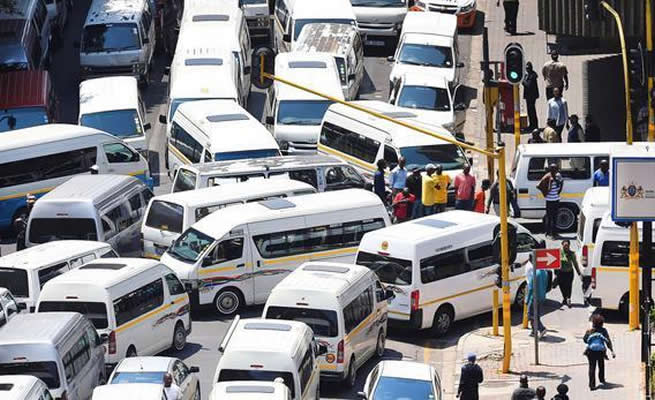
The taxi industry in South Africa is a complex and often violent sector, frequently marred by turf wars, extortion, and intimidation. The alleged involvement of police officers in these activities represents a profound betrayal of public trust and a direct undermining of efforts to bring stability to the industry. Such links can compromise investigations, provide protection to criminal elements, and exacerbate the cycles of violence that plague the sector. The suspensions, therefore, are not merely about internal discipline but about restoring faith in an institution vital for public order.
While the full extent of the alleged corruption is still under investigation, a high-profile case emerged last month, confirming the seriousness of the situation. The station commander at Swellendam Police Station was suspended for allegedly being linked to the taxi industry. This suspension, which took place internally this month, was carefully managed by SAPS management to ensure that operational duties in Swellendam did not suffer, indicating a cautious approach to avoid further disruption while addressing the internal crisis.
This incident at Swellendam serves as a tangible example of the wider problem Marais alluded to and provides a glimpse into the types of actions being taken. The suspension of a station commander, a position of significant authority, sends a strong message that no rank is immune from scrutiny when it comes to alleged corruption. It also highlights the internal challenges SAPS faces in rooting out such deep-seated issues without compromising its ability to maintain law and order.
The ongoing investigation and disciplinary proceedings are expected to be protracted and complex, given the number of officers involved and the sensitive nature of their alleged ties to the taxi industry. The outcome will have significant implications for the SAPS, not only in the Western Cape but potentially across the country, as it grapples with issues of integrity and accountability. Public confidence in the police force hinges on the transparency and thoroughness of these investigations and the decisive action taken against those found guilty.
As the Western Cape grapples with this internal crisis, the focus will remain on MEC Marais and SAPS management to ensure that justice is served and that measures are put in place to prevent such alleged corruption from taking root again. The taxi industry, a critical component of the province’s public transport system, desperately needs stability and legitimate oversight. The purging of corrupt elements within the police force is a crucial step towards achieving that goal, but the road ahead remains challenging and fraught with potential obstacles.