DURBAN – A humanitarian crisis of alarming proportions has unfolded in Durban, as thousands of Malawian nationals, allegedly driven from their homes by a wave of brutal attacks since Sunday, have sought desperate refuge on a playground outside Sherwood Hall. Huddled together with meagre belongings, these displaced individuals, including vulnerable infants, are now awaiting urgent repatriation efforts back to Malawi, their lives uprooted by fear and violence.
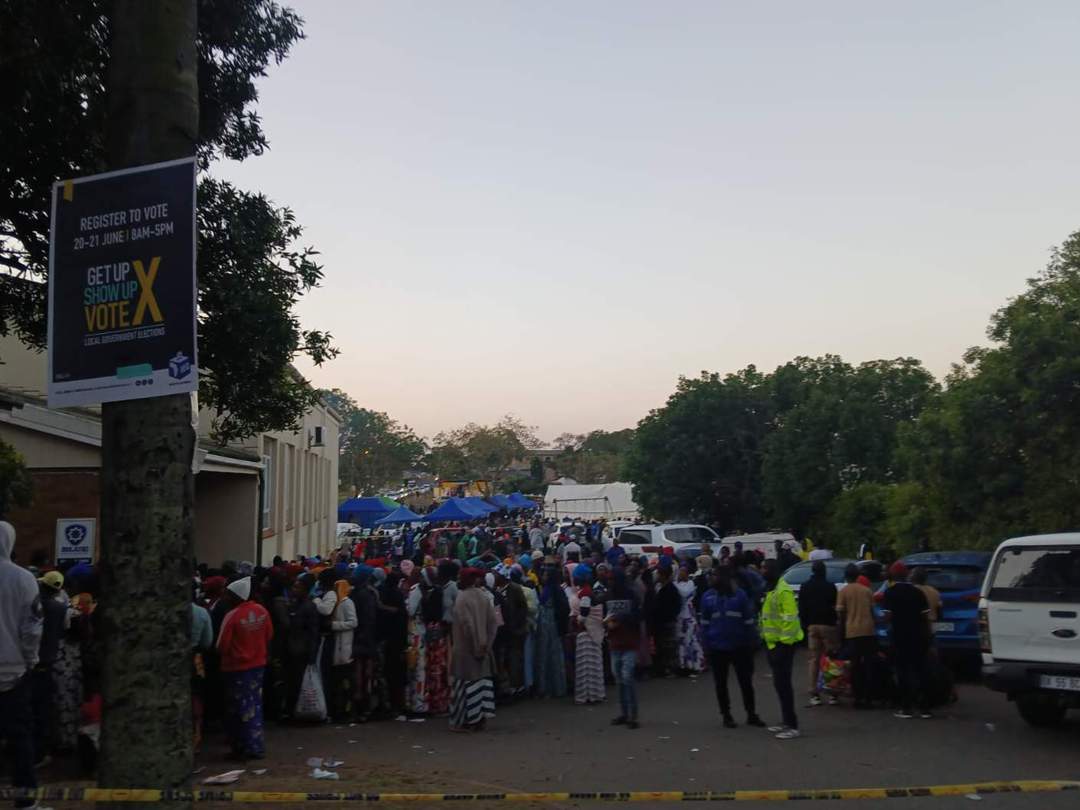
The numbers at the makeshift refuge have been ballooning by the hour since the first displaced nationals arrived at the playground, adjacent to a mosque in the predominantly Muslim community, on Sunday. By Wednesday night, the scale of the crisis became starkly clear. Speaking from the site, Commissioner General Adam Ali, a representative of the Malawi Consulate, confirmed that approximately 2,500 men, women, and children, including numerous infants, were now gathered there. Many were sitting on wooden pallets in the biting cold, with little more than what they could carry when they fled their homes.
These Malawian nationals have poured in from various areas around Durban, recounting harrowing tales of being chased from their residences by groups of South Africans. Some spoke of being threatened with violence, while others described still being under attack as they made their desperate escape. Commissioner General Ali, who initiated the use of the playground as a refuge for "everyone," confirmed that those seeking shelter had fled from areas including Stanger, oThongathi, and Mariannhill. "The number of people keeps growing. We anticipate more people to come because every minute more are coming; the situation is very bad,” Ali grimly stated, underscoring the escalating nature of the displacement.
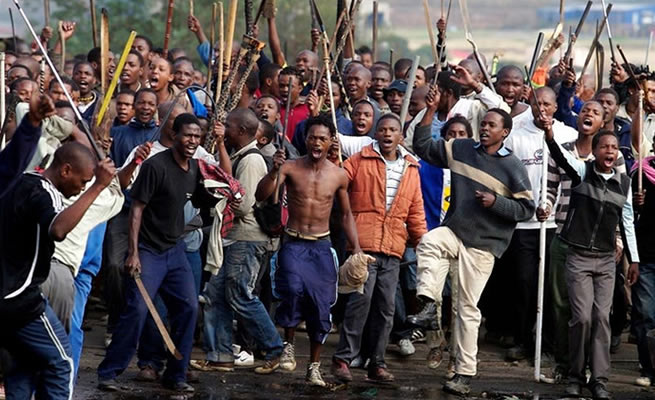
The accounts of survivors paint a chilling picture of the violence endured. Many described attacks involving a terrifying array of weapons, including pangas, sjamboks, guns, and hammers. Some managed to pack a few essential belongings in their haste to escape, while others, in their sheer terror, fled with only the clothes on their backs, abandoning everything they owned.
Among the most heart-wrenching stories is that of Esnat Joseph, who fled the Sinembe area of oThongathi with her 15-month-old triplets: David, Mavis, and Thifonia. Her situation is compounded by the fact that her passport has been stolen, and her children possess no birth certificates, adding layers of complexity to her already dire circumstances. Joseph explained her reasons for being in South Africa: “I have three other children back home, and I came to South Africa because there are no jobs in Malawi; I could make a living here and send money back home.” Her hopes of providing for her family were shattered by the sudden eruption of violence. She recounted how members of the community she lived in arrived at her home armed with pangas, sticks, and sjamboks. “They told me and my husband to leave; they no longer wanted us there. They attacked my husband, and I ran. They were holding my husband’s neck like they wanted to kill him. I was very scared. I am traumatised,” Joseph revealed, her voice filled with residual fear. Her husband is currently in hospital, nursing an arm injury sustained during the brutal assault.
William Phiri's experience echoes the terror. He told News24 that he left his shack in Malukazi, Isipingo, with only the clothes on his back, forced to abandon his passport in the scramble. Describing the terrifying home invasion, Phiri stated: "They kicked in the door at night. One of them was armed with a hammer, while the other had a gun. I fled, it’s safer to just leave." Phiri, who had been supporting his five school-going children in Malawi through odd jobs in South Africa, fears his forced return will inevitably mean the end of their education, a devastating consequence of the unrest.
Sarah James, who arrived at the playground on Wednesday, shared her own ordeal. She had been living at an informal settlement known as Emathayini in Mayville when an armed crowd systematically went door-to-door, explicitly targeting foreign nationals. “They told me to leave and threatened violence on me if I continued to stay,” James said. Fortunately, she had already heard about the refuge at the playground and managed to pack her belongings before making her way to the relative safety of the makeshift camp.
In response to the escalating crisis, efforts are now well under way to arrange buses to transport those gathered at the playground back to Malawi. Officials from the Department of Home Affairs (DHA) have been on site, diligently recording the details of those present and verifying who holds valid documentation. Commissioner General Ali explained the importance of this process: “DHA is here and has been recording the data of all those who are here. They are also checking for those who are in South Africa legally and those who aren’t,” adding that this crucial step will help streamline departure procedures and ensure smoother re-entry at South Africa’s exit points.
While the immediate focus is on repatriation, the conditions at the playground remain challenging. Two tents, generously donated by the Muslim community, have been erected, but with numbers swelling rapidly, the shelter is proving to be woefully insufficient. A third tent arrived on Wednesday night in an attempt to accommodate the continuous influx of displaced individuals. Despite the dire circumstances, humanitarian aid from local residents has maintained a steady flow of meals to the displaced nationals, offering a small measure of comfort amidst the uncertainty.
This latest wave of displacement underscores the persistent vulnerability of foreign nationals in South Africa and the urgent need for sustainable solutions to prevent such violent outbreaks. As thousands of Malawians prepare for an uncertain journey home, the playground outside Sherwood Hall stands as a stark testament to the human cost of fear and intolerance in our communities.