It sounds like a scene from a Hollywood movie, but it is a real-life nightmare for South Africa’s elite crime-fighting unit.
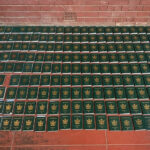
A staggering 541 kilograms of cocaine, worth more than R200 million, was stolen right from under the noses of the Hawks. Now, explosive testimony has revealed that the heist was almost certainly an "inside job."
The theft happened at the Hawks’ Port Shepstone office in November 2021, but the shocking details are only now coming to light at the Madlanga Commission of Inquiry.
"They Knew Exactly Where to Cut"
The most damning evidence came from retired Hawks Lieutenant-Colonel Jakobus Prinsloo, who was the unit commander at the time. Prinsloo told the commission that the thieves didn't just stumble upon the drugs; they knew exactly what they were looking for and how to get it.
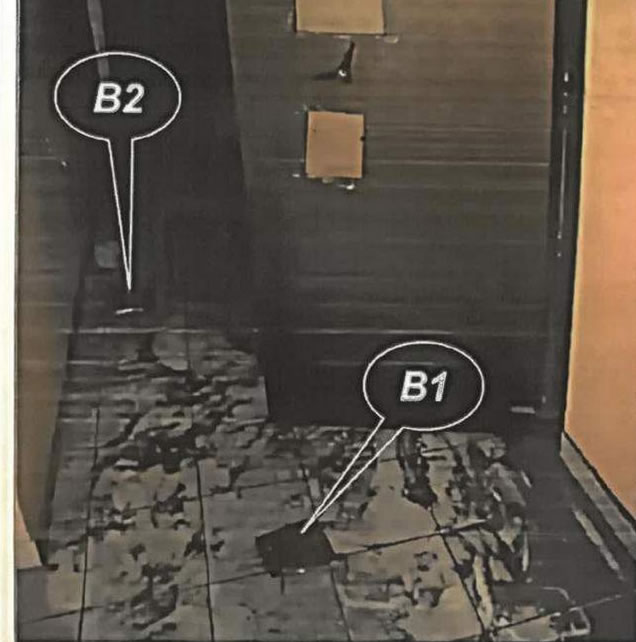
The cocaine was stored in a safe behind a door with special security mechanisms. Prinsloo explained that if you didn't know the secret of the door, you wouldn't be able to open it, even with a grinder.
"If you don't know where exactly to cut, you won't be able to open it because there is security stuff built into the door that will stop it from opening," Prinsloo testified. This suggests that the people who broke in had intimate knowledge of the building’s security—knowledge that only an insider would have.
A Recipe for Disaster
The story of how the drugs ended up in Port Shepstone in the first place is also raising eyebrows. The massive haul was originally seized from a container at Durban Harbour in June 2021. It had traveled all the way from the Port of Santos in Brazil.
Initially, the drugs were kept at the Isipingo police station. But then, high-ranking Hawks officials ordered them to be moved to the Port Shepstone office.
Prinsloo testified that he found this move "strange" and "alarming." Why? Because the Port Shepstone office was notoriously insecure. In fact, it had been broken into at least eight times before the great cocaine heist.
"The office was particularly vulnerable," Prinsloo said. He even told a top police general that the alarm system wasn't working and wasn't even linked to a security company. The general was reportedly "shocked," but the drugs stayed where they were.
Treated Like a Suspect
When the drugs went missing, the heat turned on the officers inside the unit. Prinsloo described a tense atmosphere where he felt he was being singled out.
While his colleagues were given three-hour polygraph (lie detector) tests, Prinsloo was subjected to a grueling six-hour interrogation. "I was treated as a suspect," he told the commission. Despite the pressure, he passed the test, proving he had nothing to hide.
However, the question remains: if the unit commander was clean, who among the 20 people present when the drugs were delivered was involved?
High-Level Questions
The finger of suspicion is also pointing towards the very top of the Hawks’ leadership. Major-General Hendrick Flynn, another high-ranking officer, testified that the provincial head of the Hawks at the time, Major-General Lesetja Senona, should have also taken a lie detector test.
Flynn argued that Senona wasn't just a distant boss; he was "actively involved" in the case and even took possession of the keys to the facility shortly after the drugs were seized. Senona has claimed he "lost track" of the investigation after it was handed over to the SAPS, a statement that has left many people skeptical.
A Blow to the Hawks’ Reputation
The Hawks are supposed to be South Africa’s version of the FBI—the best of the best when it comes to fighting serious crime. But this scandal has left the unit’s reputation in tatters.
The fact that R200 million worth of cocaine can simply vanish from a police building, and that no one has been arrested years later, is a massive embarrassment for the country’s justice system. It sends a dangerous message that even the most secure police facilities are not safe from the reach of drug syndicates and corrupt officials.
Where is the Cocaine Now?
To this day, the 541kg of cocaine has never been found. It is likely that the drugs were quickly moved and sold on the black market, fueling crime and addiction across South Africa and beyond.
As the Madlanga Commission continues its work, the public is left wondering how deep the rot goes. Was this just a case of poor security, or is there a powerful "shadow network" operating inside our police force?
One thing is certain: the "inside job" at Port Shepstone was a masterclass in criminal planning, and until the people responsible are behind bars, the Hawks will continue to fly with clipped wings.