The Dangerous Rhythm of Parkwood: Inside the Chilling E-Hailing Robbery That Exposed a Growing Crisis
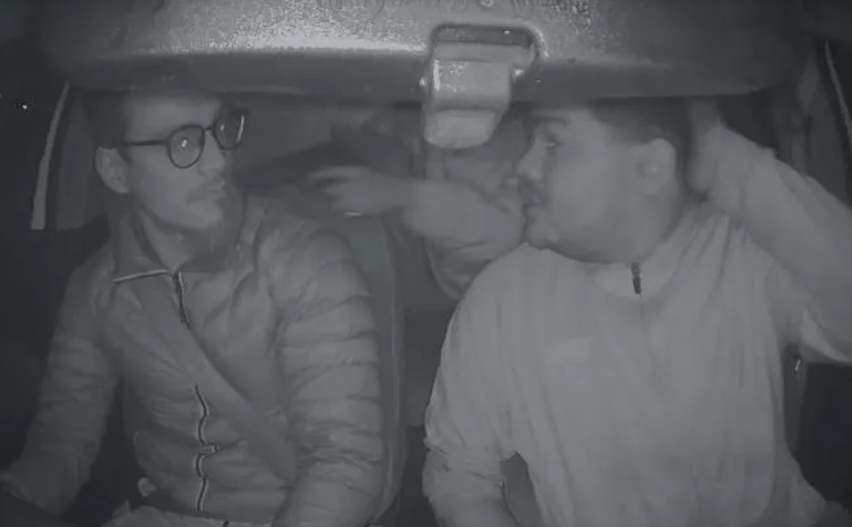
The interior of the vehicle was bathed in the soft, rhythmic glow of the dashboard lights as Abubakr, an e-hailing driver navigating the labyrinthine streets of Cape Town, engaged in what seemed like a routine fare. It was Saturday night, April 25, 2026, at approximately 20:47. The air in the car was casual, almost relaxed. In the front passenger seat, a young man leaned back, occasionally glancing at his mobile phone and then out at the passing scenery of Pers Road in Parkwood. Behind them, a second figure sat in the shadows of the rear seat, silent and largely unnoticed.
As they drove, the driver turned to the man beside him, asking for directions. "Should I turn here?" he asked, his voice steady with the professional calm of a man who spends his life behind the wheel. The passenger, appearing entirely at ease, instructed him to continue driving straight. The conversation was mundane, the kind of brief, forgettable exchange that happens thousands of times a day across the city. The passenger even commented on the music playing through the car’s speakers, calling it a "good number." He reached over and increased the volume, allowing the upbeat tempo of Work From Home by Fifth Harmony to fill the cabin.
For a few fleeting seconds, the scene was one of modern urban normalcy. The driver identified himself as Abubakr when asked. The music was loud, the passenger was smiling, and the destination seemed close. But in the volatile landscape of Cape Town’s e-hailing industry, normalcy is often a fragile mask for impending violence. Roughly a minute into the journey, the rhythm of the music was shattered by a different kind of movement. The front passenger gave a subtle signal to the man in the back. In an instant, the "good number" playing on the radio became the background track to a life-threatening encounter.
The suspect in the rear seat lunged forward, pressing the cold, hard barrel of a firearm against Abubakr’s neck. The transition from a friendly ride to a violent robbery was instantaneous. The driver’s hands instinctively tightened on the steering wheel before he was ordered to remove them. The front passenger, who only moments ago had been chatting about the music, suddenly took charge of the assault. However, in a bizarre display of internal gang dynamics, he repeatedly cautioned his accomplice.
"Don't shoot… don't shoot," the front passenger said, his voice a sharp contrast to the aggressive posture of the gunman.
Despite the apparent restraint shown by the leader, the threat of lethal force remained absolute. The driver was ordered to surrender his belongings immediately. As the suspects rifled through his pockets and the car’s compartments, the front passenger issued a chilling ultimatum that stripped away any remaining illusion of safety.
"If I get out here now I am going to shoot you dead, take everything out," the suspect threatened.
Abubakr, visibly shaken and fearing for his life, pleaded with his attackers. He offered no resistance, only the desperate honesty of a man with nothing left to lose. "You can search me, I can put on the light," he told them, his voice trembling as he sought to prove he wasn't withholding any valuables. The robbery reached a final, invasive stage when the suspects forced the driver to unlock his password-protected mobile phone and reveal his personal identification number. After securing the cash, the phone, and the means to access his digital life, the two men exited the vehicle and vanished into the darkness of Parkwood, leaving a traumatised driver to flee the scene.
The footage of the incident, captured by a dashboard camera, has since circulated widely on social media platforms, drawing intense scrutiny to the escalating dangers faced by transport workers in the Western Cape. While many expressed relief that Abubakr escaped without physical injury, the psychological toll of such an encounter is immeasurable. The incident is not an isolated one; it is a symptom of a deeper, more systemic crisis that has been brewing in the streets of Cape Town for years.
Western Cape police spokesperson Sergeant Wesley Twigg confirmed that Grassy Park police have registered a case of robbery with a firearm. "According to reports, the driver responded to a pick-up request and upon arrival at the mentioned address, two unknown males got into the vehicle. The one male took out a firearm and they robbed the victim before fleeing the scene," Twigg stated. While the initial investigation was underway, the rapid spread of the video led to a significant breakthrough.
In the days following the attack, the investigative reach of the South African Police Service (SAPS), bolstered by community intelligence, led to the arrest of two suspects. The men, aged 20 and 28, were apprehended in Parkwood and are expected to appear in the Wynberg Magistrate’s Court to face charges of armed robbery. Their arrest provides a rare moment of accountability in an industry where many crimes go unsolved, but for the drivers on the ground, two arrests do not equate to safety.
To understand the weight of fear that hangs over drivers like Abubakr when they enter Parkwood, one must look back at the dark history of the area. The name "Parkwood" is synonymous among e-hailing operators with the tragic fate of Abid Dawood. In May 2022, Dawood, a 39-year-old father and Bolt driver, was brutally murdered in the same suburb. He had been falsely accused of kidnapping a young girl—a rumour that spread like wildfire through the community. Within minutes, a mob of over 100 people descended upon him. He was beaten with poles and spades, and in a final act of senseless cruelty, he was set alight alongside his vehicle.
The murder of Abid Dawood remains one of the most harrowing examples of vigilantism and the vulnerability of e-hailing drivers in South Africa. It serves as a permanent reminder that in certain neighbourhoods, a driver is not seen as a service provider, but as a target or a suspicious outsider. The recent robbery of Abubakr, while not ending in death, carries the same DNA of predatory violence that claimed Dawood’s life. It highlights a recurring pattern where criminals use the anonymity of e-hailing apps to lure victims into "kill zones" or high-risk areas like Pers Road.
The e-hailing industry in South Africa has reached a breaking point. Drivers have staged numerous protests over the past year, demanding better security features from platforms like Uber and Bolt. Their demands are clear: they want mandatory passenger verification using biometrics or national identity documents, and they want the ability to opt-out of high-crime areas without being penalised by the app’s algorithms. Recent data from TGM Research indicates that 72% of African ride-hailing users now prioritise safety over price, yet the technological response from the companies has been criticised as slow and insufficient.
As the sun sets over Cape Town, thousands of drivers continue to log onto their apps, knowing that any fare could be their last. The story of Abubakr is a testament to the resilience of these workers, but it is also a warning. The casual conversation, the "good number" on the radio, and the sudden appearance of a firearm are all part of a dangerous rhythm that has become all too familiar.
In the final moments of the footage before the suspects fled, a peculiar exchange took place. One of the robbers reportedly asked Abubakr, "Muslim?" When the driver replied in the affirmative, the robber uttered the word "Salaam"—a greeting of peace—before stepping out into the night. This bizarre juxtaposition of religious greeting and violent theft perfectly encapsulates the distorted reality of crime in the city. It is a world where a man can threaten to shoot you dead one second and offer a blessing the next.
For the community of Parkwood and the wider Cape Town area, the arrest of the two suspects is a step toward justice. However, for the men and women behind the wheel, the road remains long and fraught with peril. Until systemic changes are made to protect those who provide this essential service, the music in the car will always carry an undertone of anxiety, and every passenger will be viewed with a measure of suspicion. The case of the Parkwood robbery is more than just a news story; it is a call for a fundamental reassessment of how we protect the people who keep our cities moving.