Bloemfontein, Free State – In a powerful and emotionally charged Freedom Day address, President Cyril Ramaphosa has issued a stark warning against the rising tide of xenophobia and vigilantism that has gripped the nation. Speaking at the Dr Rantlai Molemela Stadium in Bloemfontein on Monday, 27 April 2026, the President declared that his administration "will not allow people to take the law into their own hands," as diplomatic tensions flare with key African allies over a fresh wave of anti-foreigner attacks .
The President’s address comes as South Africa marks 32 years of democracy against a backdrop of violent unrest. In recent weeks, cities including Durban, Cape Town, and East London have been rocked by targeted attacks on foreign nationals, prompting official diplomatic complaints from Ghana and Nigeria . The violence, which has seen businesses looted and individuals harassed, has once again cast a dark shadow over the country's international reputation.
"We did not walk alone into freedom," Ramaphosa reminded the nation, invoking the history of the liberation struggle. "We were carried by a tide of solidarity from the nations of Africa. These countries opened their borders to our liberation fighters. They shared their bread and their homes. It cannot be, and it must never be, that we trample into the dust the African fellowship that made our freedom possible" .
A Diplomatic Crisis: Ghana and Nigeria Raise the Alarm
The current wave of violence has escalated into a significant diplomatic crisis. The Ghanaian government has issued a formal diplomatic summon to South Africa, expressing grave concern over the "harassment and violence" directed at its citizens . Nigeria has also weighed in, with reports emerging of two Nigerian nationals killed in xenophobic-related incidents in the past week alone .
The international community is watching closely. UN Secretary-General António Guterres has voiced his concern, condemning the reported attacks and calling for the protection of all residents regardless of their nationality .
The pressure on Pretoria is immense, as the African Union (AU) and other regional bodies demand more than just verbal condemnations.
In response, the South African government has promised a "crackdown" on those carrying out the attacks. "We must not allow the legitimate concerns of our communities about illegal migration to breed prejudice towards our fellow Africans," Ramaphosa stated, acknowledging the underlying social tensions while firmly rejecting the violent outcomes .
Vigilantism and the Rise of Anti-Migrant Movements
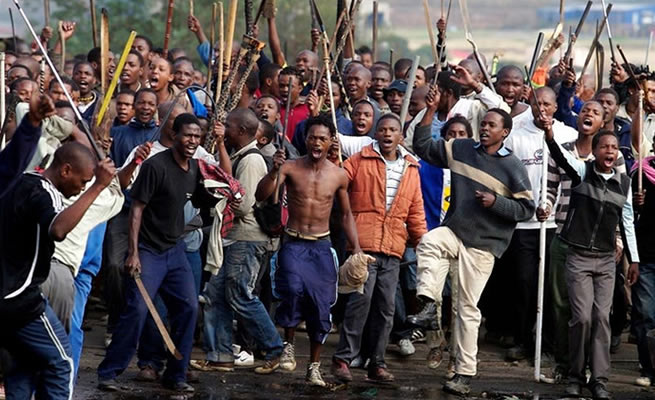
The President’s warning was particularly focused on the rise of vigilantism. Groups in various parts of the country have staged anti-immigrant protests, often blurring the line between peaceful demonstration and criminal activity. Some of these movements have called for stricter immigration controls and the prioritisation of employment for South African citizens, citing the country's high unemployment rate and struggling economy as justification for their actions .
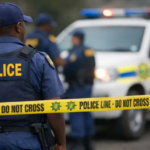
However, these protests have frequently devolved into violence. SAPS has issued multiple warnings against vigilantism, particularly in KwaZulu-Natal, where tensions have been highest . The President was clear that while concerns over undocumented persons and illegal businesses are valid, they do not grant citizens the right to act as judge, jury, and executioner.
"We must insist that the law be upheld and enforced," Ramaphosa declared. "We are clamping down on illegal migration and on businesses that flout our laws by hiring undocumented persons at the expense of our citizens. But we will not allow people to take the law into their own hands" .
The Rule of Law vs. Social Frustration
The tension between the rule of law and the deep-seated frustrations of many South Africans is at the heart of the crisis. Rising fuel, food, and rent prices have pushed many households to the brink, creating a fertile ground for populism and the scapegoating of foreign nationals .
Ramaphosa acknowledged these challenges but insisted that the government is actively rooting out corruption in the immigration system to address the root causes of the friction. He highlighted that the "hospitality" extended to guests in the country must be "honoured with respect for our society and its laws," placing a responsibility on both the state and those living within its borders .
For many critics, however, the government's response has been "too little, too late." Civil society groups and activists who marched through the streets of Johannesburg recently called for more decisive action against the perpetrators of xenophobic violence, arguing that a failure to prosecute leads to a culture of impunity .
A Responsibility Beyond Borders
As the country reflects on 32 years of freedom, the President reminded South Africans that the values of the Constitution carry a responsibility that extends beyond the nation's borders. "As a nation that defeated colonialism and apartheid through international solidarity, we carry a responsibility to advance constitutional values," he said .
The Freedom Day celebrations, intended to be a moment of national pride, have instead become a somber reminder of the work that remains to be done. The "Ubuntu" that Ramaphosa called for is under siege, threatened by a mix of economic desperation and rising intolerance.
The coming weeks will be a test for the SAPS and the Department of Home Affairs. Whether the promised "crackdown" will be enough to appease diplomatic allies and restore order in the affected cities remains to be seen. For now, the President's words stand as a desperate plea for a return to the values that once defined South Africa's struggle for dignity and justice.