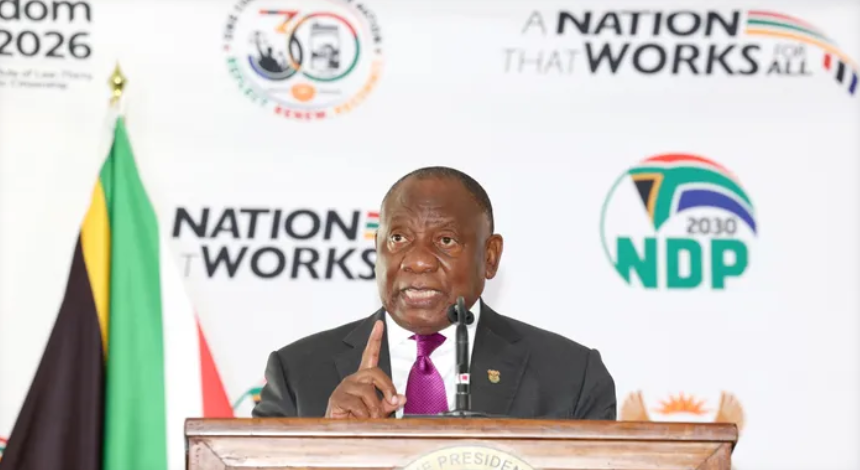
Bloemfontein, Free State – A high-level security breach sent shockwaves through the national Freedom Day celebrations on Monday as an intruder managed to ambush President Cyril Ramaphosa and Minister of Sports, Arts and Culture, Gayton McKenzie, while they were on stage. The incident, which occurred at the Dr Rantlai Molemela Stadium in Bloemfontein, has raised serious questions about the effectiveness of the Presidential Protection Unit and the safety of the country's top leadership.
The disruption took place as President Ramaphosa was delivering his keynote address, ironically at the very moment he was reiterating the government's pledge to tackle corruption and violent crime. Witnesses described a scene of sudden chaos as an unidentified individual bypassed security perimeters and lunged toward the stage where the President and Minister McKenzie were seated .
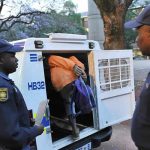
Swift action from the Presidential Protection Unit and other security personnel prevented the situation from escalating further. The intruder was quickly tackled and removed from the stage, allowing the President to continue his address after a brief, tense pause. While the motives of the individual remain unclear, the ease with which they reached the stage has sparked a wave of concern across the political spectrum.
A Vow Amidst Chaos: Fighting Corruption and Crime
Despite the disruption, President Ramaphosa remained resolute, using the platform to reflect on South Africa's 32 years of democracy and the ongoing journey toward transformation. He highlighted the progress made since the landmark elections of 1994, while acknowledging the deep-seated challenges that continue to plague the nation.
“Dignity means that people must also be able to live free from the fear of violence and crime,” Ramaphosa told the crowd . “To give greater effect to our freedom, we have dedicated greater resources and effort to tackling organised crime, gangsterism, gender-based violence, and other forms of violent crime. We are reforming and strengthening the criminal justice system.”
A key pillar of this reform, according to the President, is the work of the Madlanga Commission of Inquiry. Formally known as the Judicial Commission of Inquiry into Criminality, Political Interference, and Corruption in the Criminal Justice System, the commission has become a focal point for the administration's efforts to restore integrity to law enforcement agencies .
The President pointed to the accountability achieved through such initiatives as a sign that the tide is turning against the "rotten apples" within the state. However, the irony of being ambushed while making such a vow was not lost on the audience or the commentators who quickly took to social media to discuss the breach.
The Gayton McKenzie Factor: A High-Profile Target?
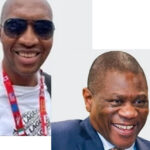
The presence of Gayton McKenzie on stage alongside the President added another layer of complexity to the incident. McKenzie, the leader of the Patriotic Alliance and current Minister of Sports, Arts and Culture, has been a vocal and often polarising figure in South African politics. His rise to a ministerial position has been met with both praise and criticism, making him a high-profile target for political dissent.
Security experts suggest that the intruder may have been targeting either official, or simply looking for a global stage to air grievances. The Bloemfontein region, where the event was held, has seen its share of political tension and service delivery protests, providing a volatile backdrop for the national celebrations.
The IFP’s spokesperson, Mkhuleko Hlengwa, noted that while political freedom is celebrated, many South Africans are still shackled by economic and social challenges. “Instead of celebrating, the country should use the day to reflect and tackle pressing national issues,” Hlengwa stated, echoing the sentiments of many who feel the promises of 1994 have yet to be fully realised .
Security Failures and the 'Madlanga' Context
The security breach comes at a time when the SAPS and the broader criminal justice system are under intense scrutiny. The Madlanga Commission has been hearing harrowing testimony about political interference and the infiltration of criminal syndicates into the highest levels of the police service.
Just last week, the commission heard that arrests are strictly in the "police domain," yet the influence of political figures often dictates who gets investigated and who remains protected . The suspension of National Police Commissioner Fannie Masemola, linked to a separate R360-million tender scandal, has further deepened the sense of crisis within the country's security cluster .
The Freedom Day incident will undoubtedly lead to a top-to-bottom review of security protocols for the President. Critics argue that if an intruder can reach the President on a national stage, it signals a dangerous vulnerability that could be exploited by more coordinated and malicious actors.
Reflections on 32 Years of Democracy
In his address, Ramaphosa also spoke about the power of the South African Constitution, describing it as a "collective shield" that safeguards the rights of all citizens . He cited advancements in access to housing, healthcare, and education as evidence of the Constitution's transformative agenda.
“We have transformed our education system, which was used as a weapon to perpetuate oppression, making sure that universal access to education was denied to the majority of our people,” he stated . The President highlighted that over nine million learners now benefit from daily nutritional meals, symbolising a pivotal shift in the government's dedication to the youth.
However, the shadow of the security breach lingered over these achievements. For many, the incident served as a stark reminder that the "freedom" celebrated on April 27 is still fragile, threatened by the very crime and corruption the President vowed to defeat.
Moving Forward: A Nation on Edge
As the dust settles on the Bloemfontein disruption, the focus will remain on the identity and motives of the intruder, and the inevitable fallout within the security cluster. The Presidential Protection Unit is likely to face intense questioning regarding the breach, and there are calls for a public report on how such a lapse occurred.
For President Ramaphosa, the incident is another hurdle in a term defined by crisis management and the slow, arduous task of state renewal. His message of hope and transformation remains, but the reality of the ambush on stage underscores the volatile nature of the South African political landscape in 2026.
The battle for the soul of the nation continues, played out on national stages and in the quiet deliberations of commissions like Madlanga. Whether the President’s vows will translate into a safer, more just South Africa remains the defining question of his presidency.