

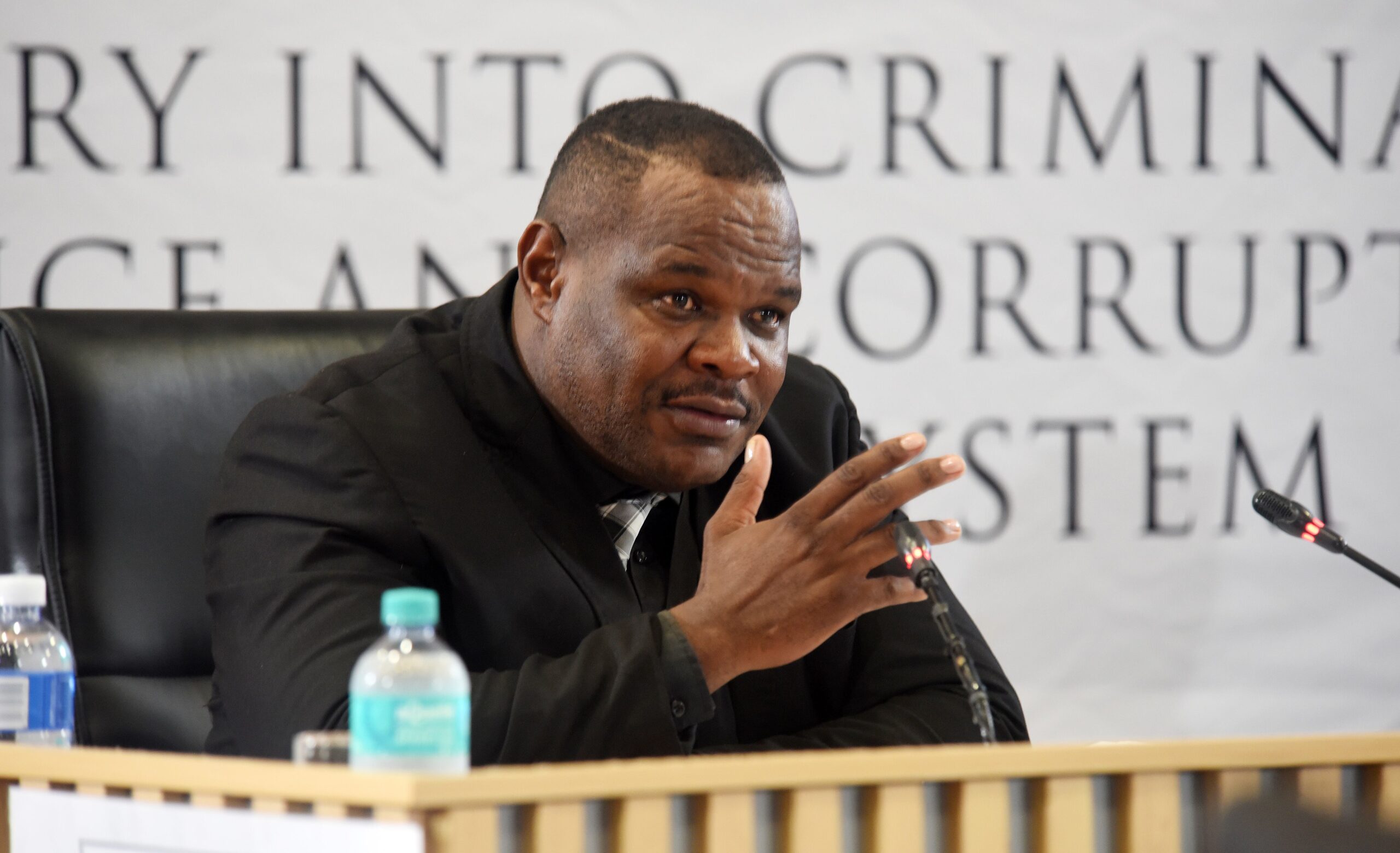
PRETORIA – In a significant victory for the National Prosecuting Authority (NPA) and the rule of law, the Pretoria North Magistrate’s Court on Wednesday morning denied bail to suspended South African Police Service (SAPS) Sergeant Fannie Nkosi. The ruling ensures that the man at the epicentre of a R2.9 billion tender-rigging scandal will remain in custody as the State continues its sprawling investigation into corruption within the City of Tshwane and the police service.
Nkosi, a member of the Gauteng Organised Crime Unit, has become a household name following explosive revelations at the Madlanga Commission of Inquiry. He faces a litany of charges, including the theft of dockets, defeating the ends of justice, and his alleged role in a multi-billion rand security tender conspiracy that has already seen the suspension of Tshwane’s Chief Financial Officer, Gareth Mnisi.
In handing down the judgement, the Magistrate cited several compelling reasons for the refusal of bail. Chief among these was the State’s argument that Nkosi poses a significant risk of interfering with ongoing investigations and potential witnesses. The court heard that Nkosi’s deep-seated connections within the police service and his alleged history of "manipulating the system" made his release a threat to the integrity of the case.
The State’s opposition to bail was bolstered by evidence of Nkosi’s persistence in attempting to influence procurement processes. During the bail hearing, prosecutors highlighted the WhatsApp exchanges between Nkosi and Mnisi, where the Sergeant allegedly pushed for a list of seven companies—including one belonging to his brother, Bheki Nkosi—to be awarded lucrative contracts. One message, which has become a focal point of the prosecution, referred to a list from the "red berets" and the "CIC," an apparent reference to EFF leader Julius Malema.
“The nature of the items found and the potential risk to ongoing investigations cannot be overlooked,” the prosecutor argued during the proceedings. “The accused has demonstrated a capacity to bypass formal protocols for the benefit of himself and his associates.”
Nkosi’s defence team had argued for his release on the grounds that he was a low flight risk and needed to support his family on a monthly salary of R16,500. Nkosi himself maintained his innocence, claiming he was the victim of a "plot to victimise" him and that his actions were merely those of a "concerned brother" helping his sibling navigate the municipal system. He further alleged that the State was deliberately delaying the proceedings to keep him incarcerated.
However, the court was unconvinced. The Magistrate noted that the "strength of the State’s case" regarding the R2.9 billion tender rigging was substantial. The fact that Nkosi’s brother’s company, Ngaphesheya Construction and Projects, had already received over R2 million from the city despite failing to meet compliance requirements was a "damning indictment" that could not be ignored.
The bail denial marks a turning point in the Tshwane tender scandal. For weeks, the Madlanga Commission has heard testimony detailing how Nkosi allegedly acted as a "fixer," using his "brotherly" relationship with Gareth Mnisi to bypass the city’s procurement safeguards. Mnisi, who testified earlier this week, claimed he had "ignored" Nkosi’s persistent requests, but the court’s decision suggests that the legal system views the Sergeant’s role as far more active and sinister.
The ruling has been welcomed by civil society groups who have long called for accountability within the SAPS. Dennis Bloem of the Activists and Citizens Forum stated that the decision "sends a clear message that the badge is not a shield for criminal activity."
“This is a positive development for the people of Tshwane,” Bloem said. “It shows that the justice system is finally catching up with those who believe they can loot public coffers with impunity.”
Nkosi’s legal woes are not limited to the Tshwane scandal. It emerged during the bail hearing that he is also under investigation for alleged evidence tampering in a Musina cash-in-transit heist case. Prosecutors allege that he deliberately omitted crucial details from a docket to protect certain individuals, further painting a picture of an officer who had turned the law into a tool for personal and criminal gain.
As Nkosi was led back to the holding cells, the implications of the ruling were clear. The State now has a window of opportunity to further consolidate its case against the broader "tender cartel" that has plagued the capital city. With Mnisi already suspended and Masemola facing his own legal battles over a separate R360 million tender, the web of corruption is being dismantled piece by piece.
Fannie Nkosi is expected to remain in custody until his next court appearance, which has been scheduled for May. The State has indicated that it expects to make further arrests as more financial evidence, including bank statements and digital communications, is processed. For now, the "brotherly" ties that once seemed to offer Nkosi a path to riches have led him instead to a prison cell, as the full weight of the South African justice system begins to bear down on the R2.9 billion Tshwane conspiracy.