

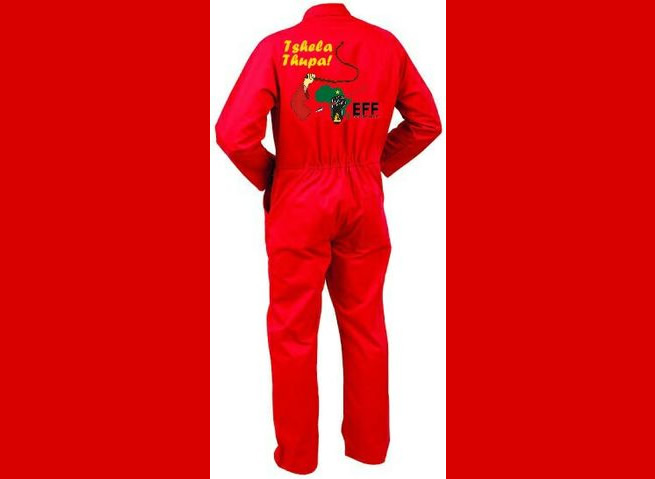
Gauteng Premier Panyaza Lesufi has appointed the Economic Freedom Fighters (EFF) provincial chairperson, Nkululeko Dunga, as the new Member of the Executive Council (MEC) for Finance. This controversial decision, announced in early April 2026, effectively places the EFF in charge of the province’s staggering R160 billion budget, a move widely seen as a desperate attempt by the African National Congress (ANC) to cling to power in a fragile coalition. The appointment has ignited a political firestorm, raising serious concerns about the future of Gauteng’s economy, the stability of its governance, and the potential for radical policy shifts that could impact millions of residents and businesses.
The reshuffle, which saw Dunga sworn in on April 2, 2026, marks a significant turning point in Gauteng politics. For the first time, the EFF, a party known for its radical economic policies, including land expropriation without compensation and nationalisation of key industries, will directly control the purse strings of South Africa’s richest province. This move has been met with immediate and fierce criticism from opposition parties and economic analysts, who question Dunga’s qualifications for such a critical portfolio and warn of potential instability and economic fallout.
Critics, including the Democratic Alliance (DA) and the Freedom Front Plus (FF+), have wasted no time in expressing their alarm. The FF+, in particular, stated that Dunga is “in no way qualified to hold this position” and warned that his appointment “could severely harm the province, which is already plagued” by various challenges. These concerns are not merely political posturing; they stem from the EFF’s stated economic agenda, which many fear could deter investment, destabilise financial markets, and ultimately undermine Gauteng’s economic growth engine.
Premier Lesufi, however, has defended his decision, framing it as a necessary step to consolidate the coalition government and ensure stability. The ANC in Gauteng has been under immense pressure, facing declining electoral support and the constant threat of losing control of the province. The alliance with the EFF, while ideologically fraught, appears to be a strategic imperative for the ANC to maintain its grip on power. However, this alliance comes at a steep price, as evidenced by the handing over of the crucial finance portfolio to a party with vastly different economic philosophies.
The implications for Gauteng’s R160 billion budget are profound. Dunga, as the new Finance MEC, will be responsible for overseeing provincial spending, revenue collection, and financial management. His pronouncements on his “first order of business” will be closely scrutinised for any indications of policy shifts that align with the EFF’s radical agenda. The business community, both local and international, will be watching nervously, seeking assurances that the province’s financial stability will not be jeopardised by ideological experimentation.
This political development also has significant national implications. Gauteng, as the economic powerhouse of South Africa, plays a disproportionate role in the country’s overall economic health. Any instability or radical policy changes in the province could have a ripple effect across the national economy. Furthermore, the ANC-EFF coalition in Gauteng could serve as a blueprint, or a warning, for potential future national coalitions, particularly as the country heads towards the 2024/2026 general elections.
The appointment of Nkululeko Dunga is more than just a cabinet reshuffle; it is a high-stakes gamble by the ANC to secure its political future in Gauteng. Whether this gamble pays off, or whether it leads to economic turmoil and further political instability, remains to be seen. What is clear, however, is that Gauteng, and indeed South Africa, is entering a new and uncertain political and economic chapter, with the EFF now holding a significant key to the province’s financial destiny. The R160 billion question now is: what will the Red Berets do with their newfound power, and what will be the ultimate cost to the people of Gauteng?