

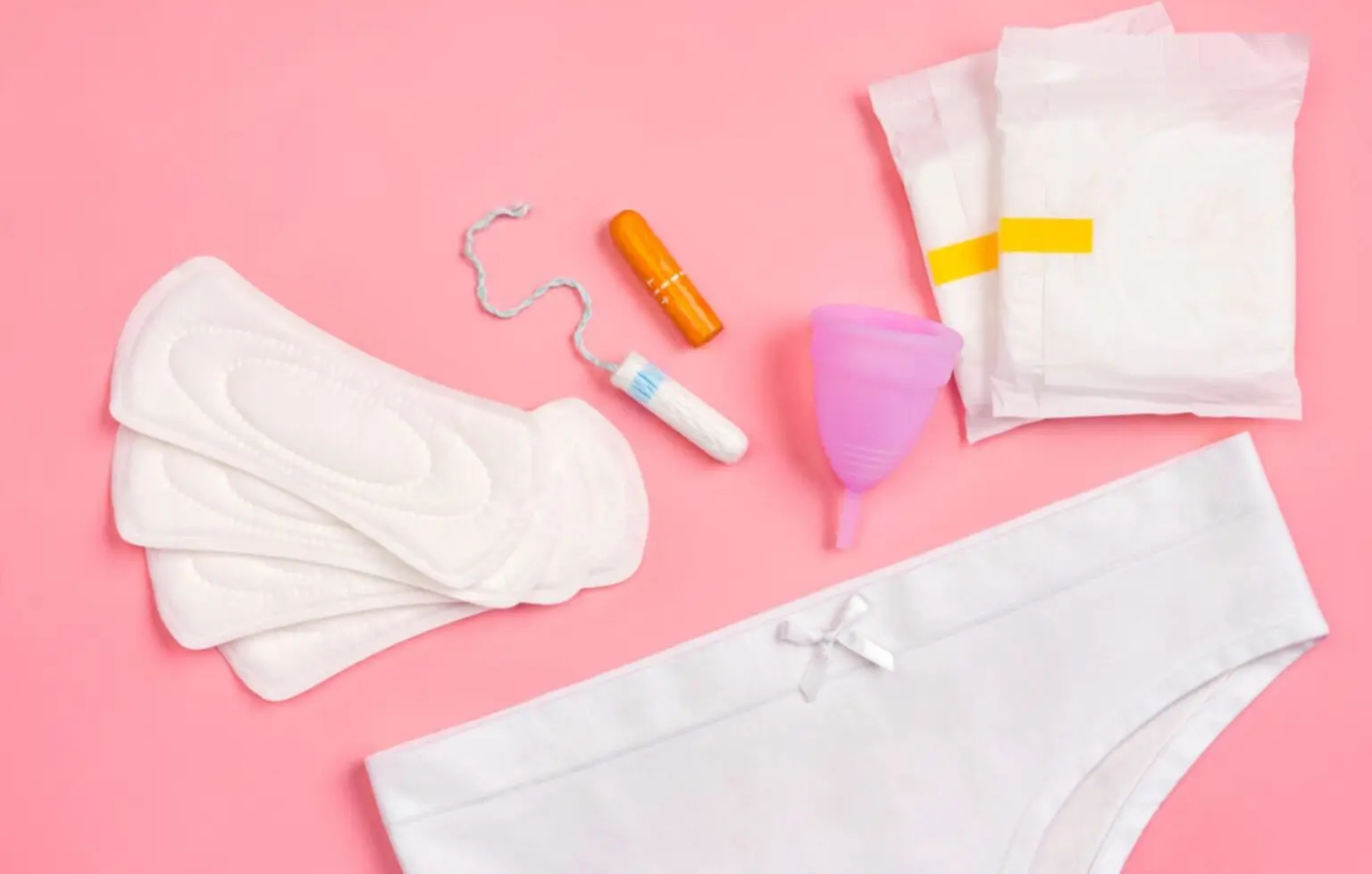
In a move that has sparked outrage among women’s health advocates and consumers alike, South African Health Minister Aaron Motsoaledi has flatly refused to recall popular brands of sanitary pads from the market. This comes despite a damning new study that has found traces of hormone-disrupting chemicals (EDCs) in every single brand tested in the country.
The study, which has sent a wave of anxiety through the female population, tested 16 of the most popular sanitary pad brands and eight types of panty liners available in South African supermarkets. The results were startling: all 24 products tested positive for EDCs, including phthalates and bisphenols, which have been linked to a range of health issues, including reproductive problems, hormonal imbalances, and even some types of cancer.
But at a tense press conference on Sunday, Minister Motsoaledi was dismissive of the findings, urging the public "not to panic" and insisting that the products remain "safe for use." "There is no indication for a need to recall any sanitary products at this stage," the Minister told a room full of skeptical journalists. "The levels of chemicals found are well within international safety limits, and there is no evidence of clinical harm to South African women."
His comments have been met with fierce criticism from health experts and consumer rights groups. "The Minister is playing a dangerous game with women's health," said Dr. Sarah de Wet, a reproductive health specialist who has been calling for stricter regulation of sanitary products. "These chemicals are known to be harmful, and even low levels of exposure over a long period can have serious consequences. To say they are 'safe' without a thorough, independent investigation is irresponsible."
The study, conducted by a team of independent researchers, has highlighted a significant gap in the regulation of sanitary products in South Africa. Unlike medicines or food, sanitary pads and tampons are not strictly regulated as "medical products" by the South African Health Products Regulatory Authority (SAHPRA). This means that manufacturers are not required to disclose the full list of ingredients or undergo rigorous safety testing before their products hit the shelves.
"We are essentially using these products on the most sensitive parts of our bodies without knowing what's in them," said a spokesperson for a prominent women’s health group. "The Minister says they are safe, but how can he be so sure when there is so little oversight? We need transparency, and we need it now."
Consumer reactions have been swift and angry. On social media, the hashtag #SafePadsSA has been trending, with thousands of women sharing their concerns and calling for a boycott of the brands named in the study. "I've been using these products for years," wrote one Twitter user. "Now I'm told they contain chemicals that could be messing with my hormones? I'm switching to organic alternatives immediately."
But for many South African women, organic alternatives are simply too expensive. "I can barely afford the regular pads," said Mrs. Thandiwe Mokoena, a mother of three from Soweto. "I have to buy what's on sale. If the government says they are safe, I have to believe them. I don't have a choice."
The economic impact of a recall would be massive, with millions of rands worth of stock needing to be removed from shelves. Some critics suggest that the government’s reluctance to act is more about protecting the interests of large manufacturers than safeguarding public health. "The Minister is putting profits before people," one activist claimed. "He's more worried about the bottom line of big business than the health of South African women."
In response to the growing backlash, the Department of Health has promised to "strengthen the regulatory framework" for sanitary products, but has given no timeline for when this might happen. For now, the message from the Minister is clear: keep using the products, and don't worry about the chemicals.
But for many women, that’s a hard pill to swallow. As the debate continues to rage, the question remains: who can we trust when it comes to our health? The Minister says don't panic, but for many South African women, the alarm bells are already ringing loud and clear.