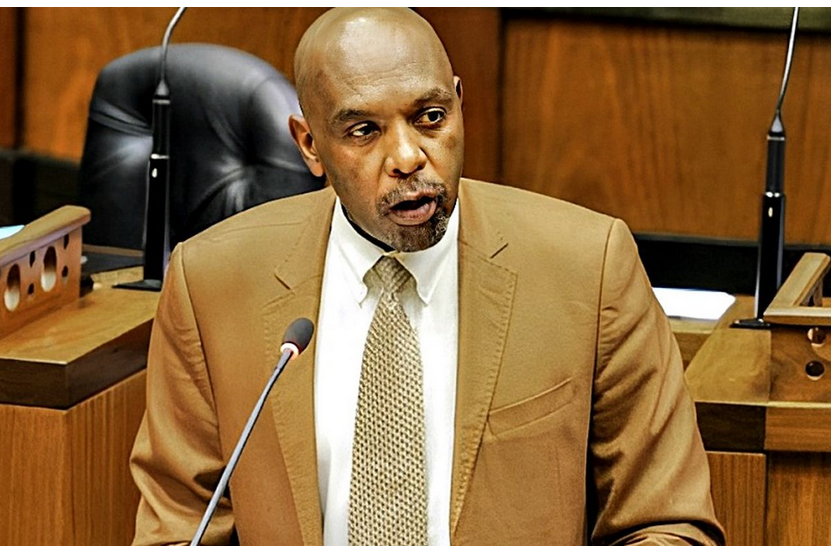
Johannesburg, South Africa – In a landmark ruling that has reverberated through South Africa's political corridors, former African National Congress (ANC) Member of Parliament, Vincent Smith, has been sentenced to seven years direct imprisonment for his role in the infamous Bosasa corruption scandal. The judgment, handed down by the Johannesburg High Court, marks a significant victory for the National Prosecuting Authority (NPA) and sends a clear message that even those once considered untouchable within the ruling party are not above the law. Smith, once a prominent figure in Parliament, now faces a stark reality behind bars, a dramatic fall from grace that underscores the deep-seated corruption that has plagued the nation.
The court sentenced Smith to a total of 12 years imprisonment, with five years suspended, effectively meaning he will serve seven years. His conviction stems from charges of fraud, corruption, and money laundering, all linked to the controversial facilities management company, Bosasa. The company, which secured lucrative government contracts, became synonymous with state capture and bribery, its tentacles reaching deep into various state institutions and political figures. Smith's involvement, as revealed during the extensive investigations and testimonies, painted a picture of a public servant who betrayed the trust placed in him for personal gain.
The Bosasa scandal gained national notoriety through the explosive testimony of its former Chief Operating Officer, Angelo Agrizzi. Agrizzi, who turned whistleblower, provided intricate details of a sophisticated bribery network designed to secure tenders and influence political decisions. His testimony implicated numerous high-ranking officials and politicians, laying bare the mechanics of how state resources were allegedly siphoned off. In Smith's case, Agrizzi testified that the former MP received substantial financial benefits from Bosasa, including monthly payments and other inducements, in exchange for his influence and protection. These payments, often disguised, were a direct quid pro quo for his assistance in facilitating Bosasa's illicit operations.
Initially, Smith had reportedly shown reluctance to engage with Bosasa, with Agrizzi himself stating that Smith
initially "wanted nothing to do with Bosasa". However, the allure of illicit gains proved too strong, and Smith eventually succumbed, becoming another cog in the vast machinery of corruption. The details of his involvement, meticulously laid out during the trial, included receiving direct payments and other benefits that compromised his position as a public representative.
The government has been quick to welcome the sentencing, with various officials reiterating the message that "no one is above the law". This stance is crucial for restoring public confidence in the justice system and demonstrating a commitment to tackling corruption at all levels. The NPA, in particular, has hailed the judgment as a significant victory, showcasing its resolve to prosecute high-profile cases of state capture. The sentencing of a former ANC MP sends a powerful signal that accountability will be pursued, regardless of political affiliation or past status.
However, the implications of Smith's sentencing extend beyond his individual culpability. It reignites the broader debate about the pervasive nature of corruption within South Africa's political landscape and the urgent need for comprehensive reforms. Critics argue that while individual prosecutions are important, they are merely scratching the surface of a much deeper problem. The Bosasa scandal, in particular, exposed a culture of patronage and illicit dealings that permeated various state departments and entities, highlighting the vulnerability of public institutions to exploitation.
The case also brings into focus the role of whistleblowers like Angelo Agrizzi, whose courage in exposing the truth came at a significant personal cost. Without individuals willing to come forward and provide evidence, many of these corruption networks would remain hidden. However, the protection and support mechanisms for whistleblowers in South Africa have often been criticised as inadequate, raising concerns about the deterrent effect on potential future informants.
Furthermore, the sentencing of Vincent Smith serves as a stark reminder of the erosion of ethical conduct within certain segments of the political class. Public office, meant to be a position of service and trust, was instead exploited for personal enrichment. This betrayal of public trust contributes to widespread cynicism and disillusionment among citizens, who often feel that their concerns are ignored while those in power operate with impunity.
Looking ahead, the Bosasa saga is far from over. While Smith's sentencing marks a significant chapter, other high-profile individuals implicated in Agrizzi's testimony are still facing legal battles. The NPA's continued pursuit of these cases will be a critical test of its independence and its ability to dismantle the intricate networks of corruption that have plagued the country. The public will be watching closely to see if this conviction is an isolated incident or the beginning of a broader clean-up operation.
The political ramifications are also considerable. The ANC, already grappling with internal divisions and declining electoral support, faces further scrutiny over its members' involvement in corruption. The opposition parties, particularly the Democratic Alliance, will undoubtedly leverage this judgment to highlight the ruling party's failures in governance and its perceived inability to self-correct. The narrative of
accountability and the fight against corruption will be central to the upcoming election campaigns, and the sentencing of Vincent Smith provides potent ammunition for those critical of the ANC.
Ultimately, the case of Vincent Smith is a poignant illustration of the challenges and complexities inherent in South Africa's journey towards good governance and transparency. It is a story of power, greed, and the relentless pursuit of justice, a narrative that continues to unfold in the nation's ongoing struggle against corruption. The hope is that such judgments will serve as a powerful deterrent, fostering a culture of integrity and accountability within public service, and ultimately rebuilding the trust between the government and its citizens.