

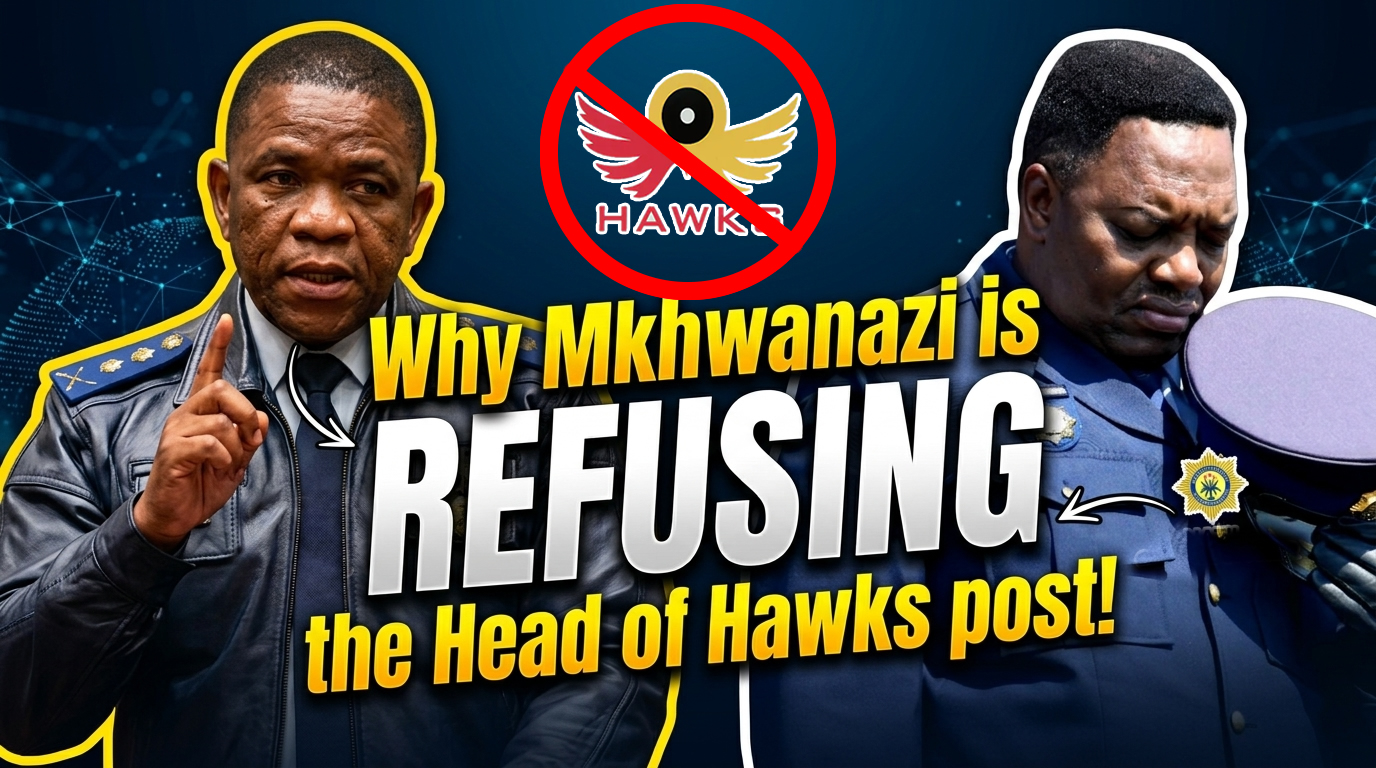
This video provides a deep dive into two critical issues defining the current state of policing and political stability in South Africa: the complex, contested recommendation to appoint Lieutenant-General Nhlanhla Mkhwanazi as the head of the Hawks, and the alarming murder of MK Party regional organiser Lastborn Shazi in KwaZulu-Natal.
The first segment focuses on the high-stakes debate surrounding the leadership of the Directorate for Priority Crime Investigation, commonly known as the Hawks. Acting Police Minister Firoz Cachalia has recommended Lieutenant-General Mkhwanazi to lead the unit, seeking to fill a permanent vacancy that has persisted for years. However, this is far from a simple appointment. While Mkhwanazi gained national prominence for exposing alleged interference in sensitive criminal investigations, the proposed move has drawn mixed reactions.
Security experts and observers argue that Mkhwanazi, a career operational policeman with a proven track record, might be better utilized as the next National Police Commissioner—a position likely to become vacant when General Fannie Masemola’s term concludes in early 2027. Moving Mkhwanazi to the Hawks is seen by many as a potential career block that could remove him from contention for the top police job. Furthermore, the position may result in a financial loss and a shift away from the broad operational command where Mkhwanazi built his public reputation. The video explores these operational and political tensions, detailing the formal Cabinet processes required before the appointment can be finalized.
The second segment shifts to the violent reality of political competition in KwaZulu-Natal. Lastborn Shazi, a regional organiser for the MK Party, was fatally shot at his homestead in Umzumbe during preparations for the local-government elections. This murder is not viewed in isolation; it is set against the backdrop of KwaZulu-Natal’s deeply troubling history of political killings, which often escalate during periods of intense competition for municipal positions and resources. The video covers the immediate aftermath of the killing, the role of the Provincial Political Killings Task Team, and the broader impact this incident has on voter confidence and safety during the election period.
The video synthesizes these two seemingly distinct events by highlighting a central, overarching theme: the fragile integrity of South Africa's criminal justice system. Whether it is the struggle to find competent, independent leadership for the nation's premier crime-fighting unit, or the ongoing battle to investigate and halt politically motivated murders, both stories underscore public anxiety regarding police effectiveness, political interference, and the ability of the state to protect its citizens.
By examining the high-level bureaucratic and political maneuverings regarding Mkhwanazi alongside the brutal, localized reality of Shazi's murder, the analysis provides a comprehensive overview of the challenges facing South African law enforcement today. The content is designed to prompt viewer reflection on whether the government can effectively navigate these crises, rebuild public trust, and ensure political participation does not cost lives.