

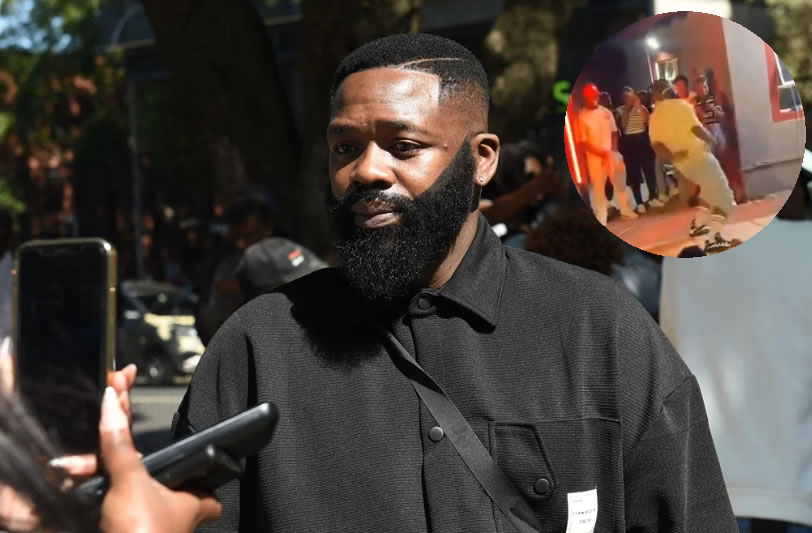
Johannesburg, South Africa – In a world where social media often serves as a crucible for public opinion, Bongani Fassie, the son of the late, iconic Brenda Fassie, has found himself at the centre of a viral storm. Recent video clips showcasing his enthusiastic, albeit unconventional, dance moves have circulated widely across platforms like X (formerly Twitter), drawing a mixed bag of reactions.
While some have applauded his confidence and carefree spirit, a vocal contingent of online trolls has subjected him to mockery, claiming he "tries too hard" and is a "bad dancer." However, in a defiant and candid response, Fassie has made it clear that the negativity won't deter him from his passion, asserting, "I love dancing. Nothing can stop someone from accumulating creativity."
Bongani Fassie is back 😂😂 pic.twitter.com/qXerfJM7i8
— The Instigator (@Am_Blujay) May 3, 2026
Bongani Fassie, a musician, producer, and reality star in his own right, has always lived under the shadow of his mother’s colossal legacy. Yet, he has consistently strived to carve out his own identity in the cutthroat South African entertainment industry. His recent foray into viral dance content, however, has inadvertently placed a spotlight on his personal expression, inviting both admiration and harsh criticism. The clips, often featuring him dancing with unbridled joy, quickly became fodder for online commentary, sparking a debate about authenticity, self-expression, and the often-cruel nature of internet culture.
Addressing the backlash head-on, the 40-year-old Fassie dismissed the negative comments with a refreshing sense of self-assurance. He articulated a profound understanding of the psychology behind online trolling, suggesting that the critics often project their own insecurities.
Bongani Fassie is really trying shem 🤣 pic.twitter.com/1mrJKfT7cH
— Yanga (@Yanga_Co) May 12, 2026
"People who say negative things want to make themselves feel better or look better. Behind their screens, there’s lonely people, people needing attention," he observed. This insight offers a powerful counter-narrative to the often-unthinking cruelty of internet anonymity, reframing the attacks as symptoms of the trolls' own struggles rather than a reflection of his worth.
Fassie’s philosophy on dance is equally compelling. He believes that dancing should be an act of freedom and fun, rather than a pursuit of technical perfection. This perspective challenges the conventional notions of what constitutes "good" dancing, advocating for a more inclusive and joyful approach to movement.
"Everybody knows I’m a singer. I’m a producer, and I’m a wannabe dancer," he openly admitted, embracing the term with a charming humility that disarms his critics. His willingness to be vulnerable and authentic in his self-description has resonated with many who feel the pressure to conform to societal expectations.