Court Awards R3.7 Million to Mpumalanga Street Vendor Left Permanently Disabled After Crash
The Mpumalanga High Court has ordered the Road Accident Fund (RAF) to pay more than R3.7 million in compensation to a 36-year-old man whose severe brain injury and permanent disabilities left him unable to work following a 2021 vehicle collision.
Acting Judge PD Kekana awarded Bright Maseko a total of R3,734,283.10, comprising R2.1 million for general damages and R1.6 million for loss of earnings, after finding that his injuries had effectively destroyed his ability to earn a living.
At the time of the accident, Maseko was self-employed, selling food at a taxi rank and working as a gardener to supplement his income.
RAF Accepted Full Liability
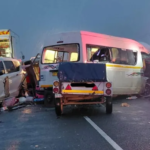
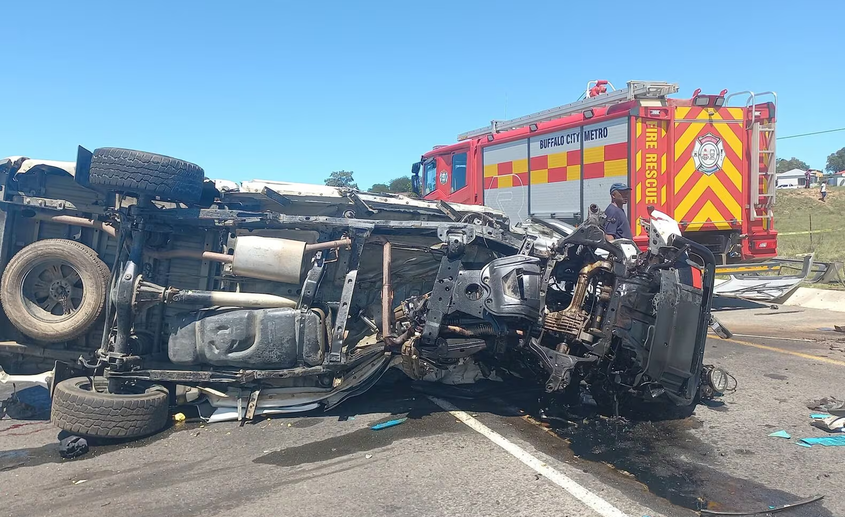
Maseko was a passenger in a vehicle involved in a crash on March 1, 2021. The RAF had already accepted 100% liability for the collision, leaving the court to determine the appropriate amount of compensation.
The court heard that Maseko was unable to return to work due to the severity of his injuries.
Severe Brain Injury Central to Case
Medical experts testified that Maseko sustained multiple fractures, including:
- A fractured left collarbone
- A fractured left elbow, leaving the joint dysfunctional
- A fractured left kneecap
However, it was the evidence regarding his traumatic brain injury that proved decisive.
Neurosurgeon Dr P Miller told the court that Maseko had suffered a major traumatic brain injury, which explained his unusually slow recovery and ongoing neurological problems.
According to evidence accepted by the court, Maseko was left with:
- Slurred speech
- Weakness on the left side of his face
- Difficulty using his right arm and lower limbs
- Poor memory
- Cognitive impairment
He also experienced post-traumatic amnesia for weeks after the crash.
Judge Kekana described the injury as “severe to very severe,” noting that it left Maseko significantly compromised cognitively.
“The evidence shows that the patient suffered a severe to very severe head injury resulting in him being significantly compromised cognitively with slurred speech, slowing of movement and thought process,” the judge said.
No Longer Employable
Psychologists and occupational therapists testified that the combination of Maseko’s brain injury, physical impairments, depression and anxiety rendered him unemployable.
Experts found he struggled with attention, memory, planning, learning and speech. He also required assistance with many daily activities and would struggle even in a supportive work environment.
His physical injuries further compounded his condition. The court heard that Maseko continued to suffer:
- Persistent throat pain affecting his ability to eat
- Chronic headaches
- Constant pain in his arms and legs
- Severe fatigue
- Psychological trauma, including suicidal thoughts and flashbacks
RAF’s Defence Rejected
The RAF did not call its own medical experts to dispute the findings and instead relied on cross-examining Dr Miller.
During cross-examination, the fund pointed out that Maseko had been intoxicated when admitted to hospital, suggesting alcohol may have influenced his symptoms.
Dr Miller acknowledged that intoxication can initially mask injuries but explained that alcohol typically leaves the body within six to twelve hours. He testified that Maseko continued to show slurred speech, restlessness and incontinence well beyond that period, confirming the symptoms were due to brain damage rather than alcohol.
The RAF also argued for significantly higher contingency deductions when calculating loss of earnings — proposing 35% for past income and 40% for future income. Maseko’s legal team argued for far lower deductions of 5% and 15%.
Judge Kekana rejected the RAF’s proposed deductions, finding that the evidence overwhelmingly demonstrated Maseko would never be able to return to work. The court accepted the actuary’s calculations and the lower contingency deductions.
Lifelong Impact Recognised
In delivering judgment, the court held that the compensation awarded was fair and reasonable, given Maseko’s age, the seriousness of his injuries and their lifelong consequences.
In addition to the monetary award, the RAF was ordered to provide a statutory undertaking to cover Maseko’s future medical expenses related to the accident.
The ruling underscores the profound and lasting impact traumatic brain injuries can have on a person’s life — particularly for those who rely on physical labour and informal work to support themselves.