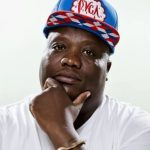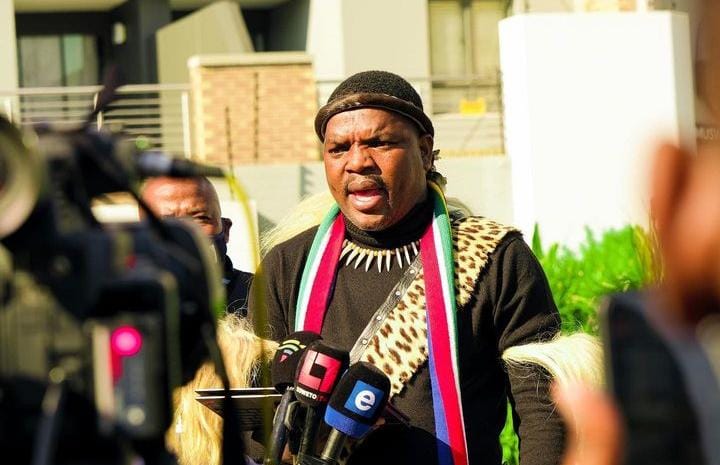
DURBAN – Controversial former Ukhozi FM presenter and high-profile anti-migrant activist Ngizwe Mchunu has hit back following his shock suspension from the March and March movement. Mchunu, who has been a central figure in the movement's nationwide campaign against undocumented immigration, insisted that the organisation’s efforts have already achieved significant gains and that continuous protests were never intended to last indefinitely.
The fallout comes after the March and March movement announced it had suspended its working relationship with Mchunu on Monday, 27 July 2026. The decision followed an ordinary National Executive Committee (NEC) meeting where leadership considered a report from the movement’s governance and legal compliance structures. The report allegedly detailed "interference and attempts to weaken the organisation from within."
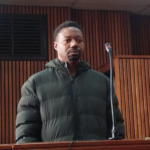
In a video released shortly after the announcement, a defiant Mchunu appeared unfazed by the suspension. Reflecting on the movement’s anti-illegal immigration campaign, he argued that the objectives had already begun producing tangible results.
"My people, it became dark on the evening of Monday, July 27. We have just returned from Richards Bay, where we were fighting against the abuse of workers by Transnet," Mchunu said in the video. "I speak with great joy after more than 1,000 marches across South Africa before the June 30 deadline for illegal migrants to leave. We are very happy because our actions have started to yield results."
Mchunu further argued that the campaign had reached a natural conclusion where continued marches targeting undocumented migrants were no longer necessary or sustainable. "As much as we did not accomplish everything we set out to do, we cannot march forever. That is the truth, because we have no intention of collapsing the economy," he added, pointedly noting his own history of legal troubles by stating, "I speak as someone who has been arrested."
The suspension has exposed deep rifts within the leadership of the March and March movement. Mchunu did not hold back in his criticism of movement leader Jacinta Ngobese-Zuma and fellow activist Nkosikhona Ndabandaba, popularly known as Phakela'umthakathi. He suggested that his former colleagues lacked the necessary experience and vision to lead the movement forward.
"My fellow leaders, Phakela and MaNgobese, are junior to me. They are excited by everything, including the limelight and relevance," Mchunu claimed. "I am no longer excited. I have become a visionary. I know what to do and when to do it. When someone is weak, someone else has to protect everyone. We must lift one another up."
When approached for comment, Ngobese-Zuma declined to respond directly to Mchunu’s remarks, stating simply, "I don’t have a comment."
However, March and March national spokesperson Sandile Dube provided more insight into the movement's decision. Dube revealed that a protracted investigation by the governance and legal compliance wing had examined alleged attempts by "political role players and business cartels" to destabilise the movement and demobilise its supporters.
"The movement has come to the conclusion that these actions are orchestrated by lazy thinkers, criminals, and beneficiaries of colonialism who do not see anything wrong with our youth languishing in drugs, unemployment, and the dilution of our identity while they live large at the expense of our indigenous people," Dube said.
Most tellingly, Dube added that the investigation's findings pointed to "an offer and acceptance of gratification in exchange for the soul of the Movement and our people." This suggests that the movement suspects Mchunu or those around him may have been compromised by outside interests.
"This is a war we are prepared to fight relentlessly. We want a united South Africa, and we want to work with people we can trust," Dube continued. "Having considered the facts before us… the movement has accordingly resolved that, pending further investigations, it will not be working with Mr Ngizwe Mchunu."
The timing of the suspension is particularly noteworthy. It follows a high-profile meeting between Mchunu, Ndabandaba, and President Cyril Ramaphosa just hours before the nationwide demonstrations on June 30. The pair co-led marches calling for tougher enforcement against undocumented migrants and were received by the President as part of efforts to engage directly with the protest movement.
This meeting appears to have been a major point of contention within the movement. Ngobese-Zuma had previously expressed her frustration, claiming she had repeatedly sought a meeting with Ramaphosa but had received no response, despite the Presidency making time for Mchunu and Ndabandaba. She had stated that she was not informed about the meeting or what was discussed.
Following the June 30 deadline, Ngobese-Zuma had announced that demonstrations would continue every Thursday for the next three months. "For as long as they haven't left, we are marching every Thursday," she had vowed.
The split between Mchunu and the March and March leadership marks a significant turning point for the anti-migrant movement in South Africa. While Mchunu claims the "war" is already being won and that it is time to shift tactics, the remaining leadership appears committed to a more aggressive and sustained campaign of protest.
As the movement proceeds with its "further investigations" into Mchunu's conduct, the future of one of the country's most controversial and influential activists remains uncertain. For now, Mchunu seems content to position himself as the "visionary" who knows when to stop, while his former allies prepare for a "relentless war" that shows no signs of slowing down.