

Foreign nationals across parts of Cape Town are preparing for possible unrest ahead of planned anti-immigration protests set to take place on 30 June, with anxiety already rippling through affected neighbourhoods.
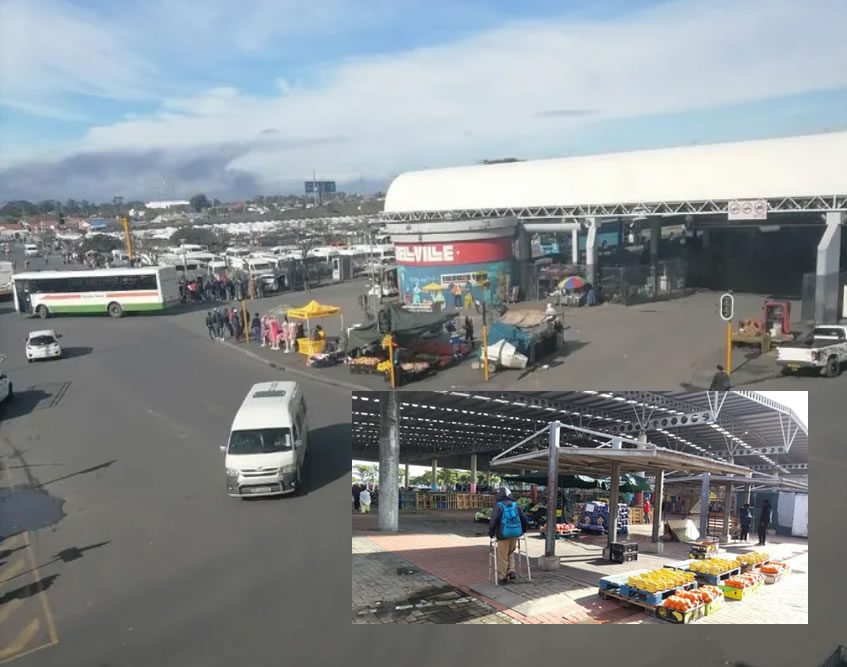
In Bellville, Mitchells Plain and the Cape Town CBD, the impact of the looming demonstrations is visible. Shopping hubs that are typically busy with foot traffic have slowed dramatically, with some described by traders as resembling “ghost towns”. Bus stations are reportedly filling with individuals making arrangements to leave the country, fearing potential violence.
The protests are being organised by the March and March movement, a coalition of 27 civil society groups that has confirmed nationwide demonstrations for next Tuesday. The group has positioned the action as a stand against illegal immigration, but foreign national communities say the rhetoric surrounding the mobilisation has left many feeling exposed and uncertain about their safety.
This week, more than 300 foreign nationals gathered at the Mitchells Plain police station for a meeting with SAPS management. Representatives from several communities attended the engagement to discuss safety measures and contingency plans should unrest break out.
Among those present were members of Somali, Bangladeshi and Malawian communities, representing areas including Town Centre, Westridge, Tafelsig, Portland and Lentegeur.
Police in the Western Cape have confirmed that enforcement agencies have prepared a contingency plan, although operational details have not been made public.
Police spokesperson Captain FC van Wyk said: “Operational information is often shared amongst the respective law enforcement agencies to enhance policing capabilities in the province, however this information remains of an operational nature and is not shared with the media, until such time that an official media statement is released.
“Like with any protest, an adequate number of members will be deployed to ensure that the planned march is well policed.”
Law enforcement authorities have also warned business owners to remain vigilant, cautioning that criminal elements may exploit the situation to loot shops or cause damage under the guise of protest activity.
The concerns follow an announcement by acting national police minister Firoz Cachalia that R600 million has been allocated to police stations and community policing structures to bolster security for the 30 June shutdown.
While officials insist that preparations are in place to maintain order, the mood on the ground remains tense.
Ismail Yusuf, a representative of the Somali community and other foreign nationals in Mitchells Plain, said the economic impact of the looming protests is already being felt.
Yusuf, who has run a business in the Town Centre for 23 years, described a dramatic slowdown in trade.
“I have been in this shop for 23 years and we have never had problems before. What we have noticed is that business has slowed down significantly since these threats began.
“The Town Centre has become much quieter.
“We feel we will be safe in Mitchells Plain when June 30 comes, but there is concern that some people may use the situation as an opportunity to loot businesses.
“We want to protect our businesses and our lives.”
For many traders, the fear is not necessarily of organised protest action, but of opportunistic crime. Past instances of unrest in various parts of the country have seen legitimate grievances overshadowed by looting and vandalism.
Community leaders say they are working closely with police to ensure lines of communication remain open. The meeting at Mitchells Plain police station focused on emergency contacts, rapid response coordination and the importance of reporting suspicious activity.
Despite assurances from authorities, some foreign nationals have opted to take precautionary measures, including temporarily closing their shops, reducing trading hours or sending family members away until tensions subside.
In Bellville and parts of central Cape Town, similar patterns have emerged. Traders report quieter streets and customers staying away, uncertain about what next week might bring.
The March and March movement has maintained that its demonstrations are directed at immigration policy and governance issues. However, foreign national communities say inflammatory rhetoric circulating on social media has heightened their sense of vulnerability.
Police have reiterated that any unlawful behaviour will be dealt with decisively, and that protest action must remain within the bounds of the law.
With just days to go before 30 June, uncertainty continues to dominate conversations in affected communities. For business owners like Yusuf, the immediate priority is safety — for themselves, their staff and their customers.
Whether the planned protests unfold peacefully or descend into disorder will likely depend on effective policing, responsible leadership and restraint on all sides.
For now, foreign nationals across Cape Town are watching and waiting, hoping that calm will prevail and that their fears will prove unfounded.