CAPE TOWN, SOUTH AFRICA – The fragile pursuit of justice in a monumental R18 million drug and gun trafficking case has been dealt a devastating blow with the brutal execution of a key state witness in Cape Town. The chilling incident, which saw the informant hunted down and murdered in cold blood, has cast a long shadow over the legal proceedings, raising profound questions about witness protection, the reach of organized crime, and the very integrity of the justice system in South Africa.
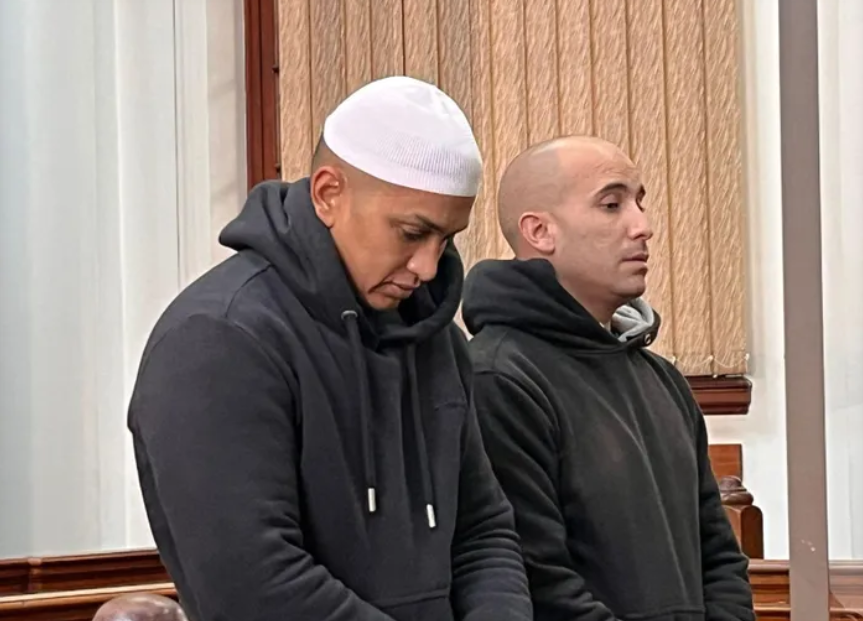
The victim, whose identity is being withheld for security reasons, was a pivotal figure in the ongoing trial against a former Standard Bank manager accused of orchestrating a vast network of illicit drug and arms deals. His testimony was considered crucial to securing convictions against high-profile individuals allegedly involved in the syndicate. Now, with his voice permanently silenced, investigators face an uphill battle to piece together the remaining evidence and ensure that justice is not derailed.
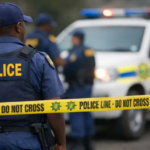
Police spokesperson, Captain Sipho Dlamini, confirmed the tragic development, stating, "We are investigating a case of murder following the death of a state witness. This is a serious setback for the ongoing R18 million drug and gun trafficking case. We are committed to bringing those responsible for this heinous act to justice." The brazenness of the attack, targeting an individual under the protection of the state, has sparked widespread alarm among law enforcement agencies and human rights advocates alike.
Sources close to the investigation, speaking on condition of anonymity, revealed that the witness had reportedly expressed fears for his life in the weeks leading up to his death. Despite these concerns, the level of protection afforded to him is now under intense scrutiny. Critics argue that the incident underscores systemic failures in South Africa's witness protection program, which has long been plagued by underfunding and operational challenges. The ability of criminal elements to identify and eliminate key informants poses a grave threat to the state's capacity to prosecute complex organized crime cases.
The murder has ignited a fierce public outcry, with civil society organizations and legal experts demanding an immediate and comprehensive review of witness protection protocols. "This is an attack on our democracy and the rule of law," declared Advocate Thandiwe Mkhize of the Legal Aid Foundation. "When witnesses are eliminated with such impunity, it sends a terrifying message that criminals can operate above the law. We need urgent action to restore public confidence in our justice system."
The R18 million drug and gun trafficking case itself has been a focal point of public attention, exposing the deep-seated corruption and criminal activity that permeates various sectors of society. The involvement of a former bank manager in such a large-scale operation highlighted the sophisticated nature of these syndicates and their ability to infiltrate legitimate institutions. The witness's death now adds another layer of complexity, suggesting that the network's reach extends far beyond what was initially understood.
Investigators are reportedly exploring multiple theories, including the possibility that the hit was ordered by individuals within the drug syndicate seeking to prevent the witness from testifying. The timing of the murder, just as the trial was gaining momentum, points strongly towards a deliberate attempt to obstruct justice. The challenge now lies in identifying the masterminds behind the assassination and gathering sufficient evidence to link them to the crime, a task made infinitely more difficult by the elimination of a crucial source of information.
The incident serves as a stark reminder of the immense courage required by individuals who choose to cooperate with law enforcement against powerful criminal organizations. Their willingness to risk their lives for justice is often met with inadequate protection, leaving them vulnerable to retaliation. The long-term implications of this execution could be profound, potentially deterring future witnesses from coming forward and further empowering criminal syndicates.
As the investigation into this heinous crime unfolds, the nation watches with bated breath, hoping that the perpetrators will be swiftly apprehended and that the sacrifice of the state witness will not be in vain. The integrity of South Africa's justice system, and its ability to protect those who bravely stand against crime, hangs precariously in the balance. The question remains: can the state effectively combat organized crime when its most vital informants are so easily silenced, and what measures will be taken to prevent such a devastating blow to justice from happening again?