

The Unspoken Ordeal: Male Sexual Assault in South Africa
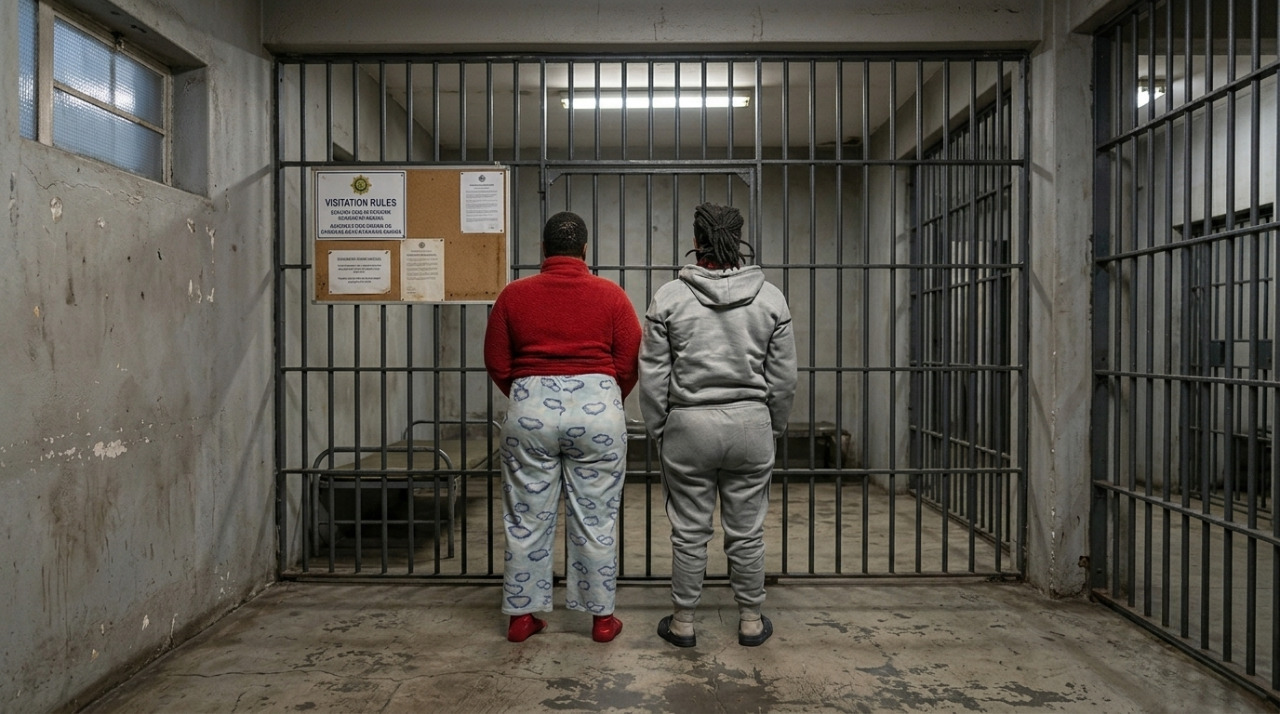
Thembisa – The recent arrest of two women in Thembisa, in Ekurhuleni, on charges of sexually assaulting a man has once again brought to the fore a deeply uncomfortable and often silenced reality within South African society: the sexual victimisation of men. On Sunday, 17 May 2026, a 32-year-old man's evening at a local tavern took a horrifying turn, allegedly culminating in his forced sexual encounter with two women. This incident, currently under judicial review, serves as a stark reminder that sexual violence transcends gender stereotypes and that male victims, too, endure profound suffering, often in silence.
The events unfolded after the man had been socialising with two women at a tavern in Winnie Mandela Zone 4. According to police reports, the women, both 26 years old and residents of the same area, allegedly invited their male companion back to their room. What began as a seemingly innocuous social interaction reportedly escalated into a terrifying ordeal. Once inside the room, the man was allegedly overpowered by the two women and forced to engage in sexual acts against his will. Despite a desperate struggle, he eventually managed to escape and sought immediate assistance from his landlord, who promptly contacted the police. The two women were subsequently arrested and appeared in court on Tuesday, 19 May 2026, facing rape charges, and remain in custody.
Captain Nelda Sekgobela, Ekurhuleni district police spokeswoman, confirmed the incident and commended the victim for his courage in reporting the alleged assault. Police highlighted the immense social stigma and pervasive fear of disbelief that frequently deter male victims of sexual assault from coming forward. This societal pressure, rooted in traditional notions of masculinity, often leaves men feeling isolated and ashamed, preventing them from seeking justice or support.
A Pervasive Issue: Beyond the Headlines
The Thembisa case, while recent, is not an isolated anomaly but rather a reflection of a broader, often unacknowledged, pattern of female-on-male sexual violence in South Africa. While statistics and public discourse predominantly focus on female victims, a significant number of men also experience sexual assault, challenging conventional narratives and demanding a more inclusive understanding of gender-based violence.
Research indicates that male sexual assault is a substantial, yet underreported, issue in South Africa. A study published in The Conversation in August 2022 revealed that one in six adult males in the country have been victims of sexual offences in their lifetimes. Furthermore, in 2012, male victims constituted 19.4% of all sexual abuse victims, a figure that underscores the prevalence of this issue. The National Sexual Violence Resource Centre (NSVRC) also notes that while 91% of rape and sexual assault victims are female, 9% are male, indicating that male victimisation is a global reality, not just a South African one.
Specific cases, though less frequently publicised, illustrate the grim reality. The South African Police Service (SAPS) has reported instances of women being sentenced for the rape of men. For example, a woman received a life sentence for raping a mentally challenged man, a case that demonstrates the justice system's capacity to hold female perpetrators accountable. More recently, a 24-year-old female suspect appeared before the Musina Magistrate's Court in connection with the rape of a 13-year-old boy, highlighting the vulnerability of male minors to such crimes. These cases, though varied in their specifics, collectively paint a picture of a problem that demands serious attention.
One particularly disturbing trend that has emerged in South Africa involves groups of women targeting men, sometimes with the alleged intent of extracting semen. Reports from organisations like the Canadian Children's Rights Council have detailed instances where South African men were allegedly raped by multiple women for their semen. Another chilling account describes an all-woman gang that reportedly kidnapped a 23-year-old man and subjected him to sexual abuse for three days, with police suspecting links to at least seven other similar attacks. These incidents, while not always recent, underscore the brutal and often organised nature of some female-on-male sexual assaults.
The Weight of Silence: Stigma and Underreporting
The pervasive underreporting of male sexual assault in South Africa is a critical concern. Societal expectations of masculinity often dictate that men should be strong, resilient, and impervious to victimisation. This cultural conditioning creates an environment where male victims fear ridicule, disbelief, and emasculation if they come forward. The internalised shame and external societal pressures often lead to profound psychological distress, with many men suffering in silence, unable to access the support and justice they deserve.
Moreover, the legal and public understanding of rape has historically been gender-biased, often assuming a female victim and a male perpetrator. While South African law has evolved to adopt gender-neutral definitions of rape, the societal response and the availability of support services often lag behind. This disparity can result in a lack of appropriate resources for male victims and a general reluctance within the justice system to treat such cases with the same urgency and sensitivity as those involving female victims.
A Call for Change: Towards Inclusive Support and Justice
The Thembisa incident, alongside other documented cases across South Africa, underscores the urgent need for a more comprehensive and inclusive approach to addressing sexual violence. It is imperative that South African society challenges and dismantles the harmful stereotypes that prevent male victims from speaking out. Public awareness campaigns are crucial to educate communities that sexual assault can affect anyone, regardless of gender, and that all victims deserve empathy, support, and access to justice.
Law enforcement agencies, healthcare providers, and support organisations must receive adequate training to handle cases of male sexual assault with sensitivity, professionalism, and without prejudice. Establishing safe spaces and confidential reporting mechanisms specifically tailored for men is vital to encourage more victims to come forward. By acknowledging the full spectrum of sexual violence and by providing equitable support to all victims, South Africa can move towards a more just and compassionate society where no victim is left to suffer in silence.