

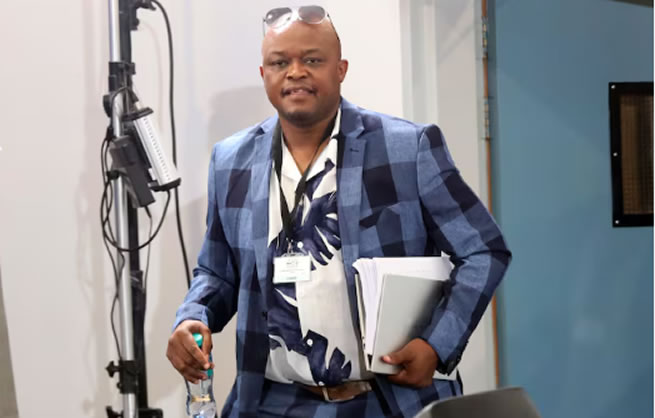
Pretoria, South Africa – The hallowed halls of Parliament became a theatre of high drama this week as self-proclaimed businessman Brown Mogotsi faced a relentless grilling over allegations that his opulent R22.7 million mansion was secretly funded by Crime Intelligence secret funds. The explosive hearing, part of the ongoing Madlanga Commission (or a similar parliamentary committee), saw Mogotsi clash fiercely with Members of Parliament (MPs) and advocates, revealing a murky world of alleged state capture and clandestine operations.
Mogotsi, who has been linked to various controversies, found himself under intense scrutiny regarding the source of his considerable wealth, particularly the lavish property. The central allegation is that funds earmarked for national security and intelligence operations were illicitly diverted to finance his luxurious lifestyle, raising serious questions about accountability and oversight within the country’s intelligence agencies.
During the fiery session, Mogotsi maintained a defiant stance, asserting that he was a high-level “intelligence asset” and an informant with multiple “handlers” within Crime Intelligence over the years. He argued that the funds he received were legitimate payments for his services to the state. However, MPs, including prominent figures like Julius Malema, pressed him hard, demanding concrete evidence and detailed explanations for the alleged financial irregularities.
The cross-examination was fraught with tension, as Mogotsi frequently sparred with advocates, often refusing to provide direct answers or claiming confidentiality due to the sensitive nature of his alleged work. His evasiveness only served to fuel suspicions, with some MPs accusing him of obstructing justice and attempting to conceal the truth. The hearing provided a rare glimpse into the shadowy dealings that have long plagued South Africa’s intelligence apparatus.
Adding another layer of intrigue to Mogotsi’s testimony was the mention of a previously withdrawn 2010 murder charge. While he admitted to the charge, he quickly clarified that it had been withdrawn, implying a history of brushes with the law that further complicated his narrative. This revelation prompted further questions about his suitability as an intelligence asset and the vetting processes within Crime Intelligence.
The implications of this scandal are profound. If proven true, the allegations suggest a systemic abuse of secret funds, intended to combat crime and protect national interests, being siphoned off for personal enrichment. This not only undermines the credibility of Crime Intelligence but also diverts critical resources away from genuine security threats, leaving the nation vulnerable. The public outcry has been significant, with citizens demanding transparency and accountability from those entrusted with safeguarding the country.
President Ramaphosa’s administration has repeatedly vowed to tackle corruption, particularly within state institutions. The Mogotsi hearing presents a critical test of this commitment. The pressure is mounting on the government to ensure that a thorough and impartial investigation is conducted, leading to prosecutions where warranted, regardless of the individuals involved or their alleged connections to intelligence agencies.
As the parliamentary committee continues its work, more revelations are anticipated. The Mogotsi saga is a stark reminder of the deep-seated corruption that continues to plague South Africa and the urgent need for robust oversight mechanisms to prevent the misuse of public funds. The nation watches keenly, hoping that this public grilling will be a step towards unravelling the truth and restoring integrity to its vital state institutions.