

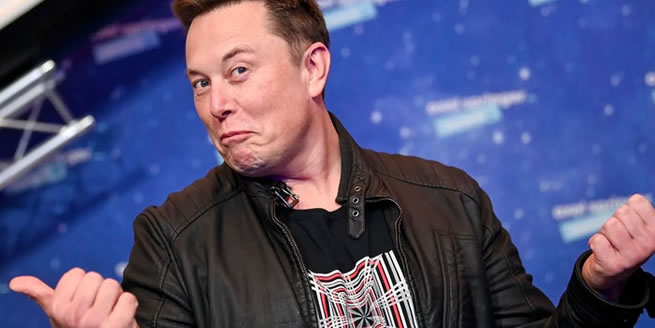
Outrage as Minister 'Drops' B-BBEE for Elon Musk's SpaceX
A policy directive issued by DA Minister of Communications and Digital Technologies, Solly Malatsi, effectively dropping Broad-Based Black Economic Empowerment (B-BBEE) requirements to accommodate Elon Musk's SpaceX, has sparked outrage from the ANC and EFF. The directive instructs the Independent Communications Authority of South Africa (ICASA) to favour a model that welcomes multinationals like SpaceX, a move that has ignited fierce debate.
The current B-BBEE regulations have so far prevented Musk's Starlink from operating in South Africa, due to SpaceX's global policy of 100% ownership of its subsidiaries.
ANC national spokesperson, Mahlengi Bhengu, criticised the move, stating that "no minister may amend or suspend legislation via policy directives." She added, "It mirrors a troubling trend where ministers belonging to the DA seek to bypass parliament by reforming laws through directives rather than following democratic legislative processes."
Bhengu also raised concerns about the validity of submissions cited by the Minister, stating, "The minister claims to have received 19,000 submissions on the draft, asserting that 90% of these support the policy direction, citing the regulatory clarity it provides and its potential to expand access to high-speed internet." She questioned, "The figures raise serious concerns about where the submissions were counted and whether they were independently verified."
EFF national spokesperson, Sinawo Thambo, echoed these sentiments, arguing that the "ridiculous policy directive" would allow companies like Starlink to bypass the 30% local ownership requirement, which protects South Africa's local telecommunications industry.
Thambo further stated that the EFF has engaged with mobile network operators and interest groups, who have expressed concerns that Starlink poses a threat to jobs in the industry due to its remote operational nature. "Even greater, it poses a security concern, considering the hostility of Musk against our nation," he said. "For an unrepentant racist and megalomaniac like Musk to enter the telecommunications market in South Africa, granting him possible control of infrastructure in the long term, is irresponsible."
Senior political lecturer at North-West University, Benjamin Rapanyane, shares the ANC and EFF’s sentiments. “A decision of such magnitude should be consulted thoroughly first, especially since Musk has been the one perpetuating the unconfirmed white genocide in South Africa. Who did Malatsi consult? Was it a target consultation?”
Political analyst Piet Croucamp offered a different perspective, suggesting the EFF's reaction is a typical example of elites benefiting inappropriately through crime and corruption from the abuse of empowerment policies. "They complain that there are those who could benefit, children, schools and people with no access to information and technology, but the EFF elites are monopolising the benefits of technological development and limiting access for the elite," Croucamp said.
AfriForum CEO, Kallie Kriel, criticised the ANC's stance, stating, "They put the ANC’s ideology above the interests of children who could greatly benefit from access to Wi-Fi and the internet." He added, "It seems to him the ANC would be happy if thousands of children from rural areas did not have access to the internet, and rather opt for their ideology."
In response to the criticism, DA spokesperson on communications and digital technologies, Tsholofelo Bodlani, clarified that "Malatsi’s policy direction does not allow anyone to bypass empowerment or transformation requirements." Bodlani said, "Instead, it seeks to prevent international companies from being excluded altogether in cases where local ownership is not feasible. SA urgently needs wider access to connectivity. Excluding global firms serves neither objective."