

Johannesburg – As South Africa gears up for the annual shutdown period, with millions preparing for long-distance road trips to reunite with family, authorities are intensifying efforts to combat the alarming surge in road fatalities that typically accompanies the festive season. The Department of Transport has identified the country's most dangerous routes, urging motorists to exercise extreme caution and take personal responsibility for their safety.
Each December, South African roads become a hive of activity, resulting in a significant spike in road accidents. The Transport Ministry reported a staggering 512 deaths in the first two weeks of December 2024 alone, underscoring the urgent need for heightened vigilance and preventative measures.
In response, law enforcement agencies are ramping up their efforts to reduce the number of fatalities, with Transport Minister Barbara Creecy emphasising that the festive period demands heightened vigilance as millions travel for holidays, family gatherings, and year-end celebrations.
Creecy announced that South Africa has reached a significant milestone in reducing road deaths. “For the first time in five consecutive years we have this year managed to reduce the road death toll by 700 people,” said Creecy.
However, the overall numbers remain concerning. “With over 9,400 fatalities on our roads already this year [as of November 2025], we all agree that the accident rate is much, much too high, and there is still a lot more work that we have to do,” the Minister said.
To combat road accidents over the festive season this year, the Transport Department has launched the 365-day Arrive Alive Road Safety Campaign. The campaign emphasises that safer roads depend on every driver, passenger, and pedestrian making responsible choices.
The campaign theme is ‘It Starts With Me.’ Creecy stressed that most crashes are preventable and linked to human behaviour.
“We have chosen this theme to highlight the point that each and every one of us has an important role to play in reducing road accidents and road fatalities,” said Creecy. “Drivers, pedestrians and passengers make important choices on the roads every day. When we make the right choices, we arrive alive.”
The campaign will focus on behaviour change, enhanced law enforcement, and 24-hour patrols in high-risk areas, said the Transport Department. It identified several priority routes, including the N1, N2, N3, N4, and N17, as well as notorious secondary roads.
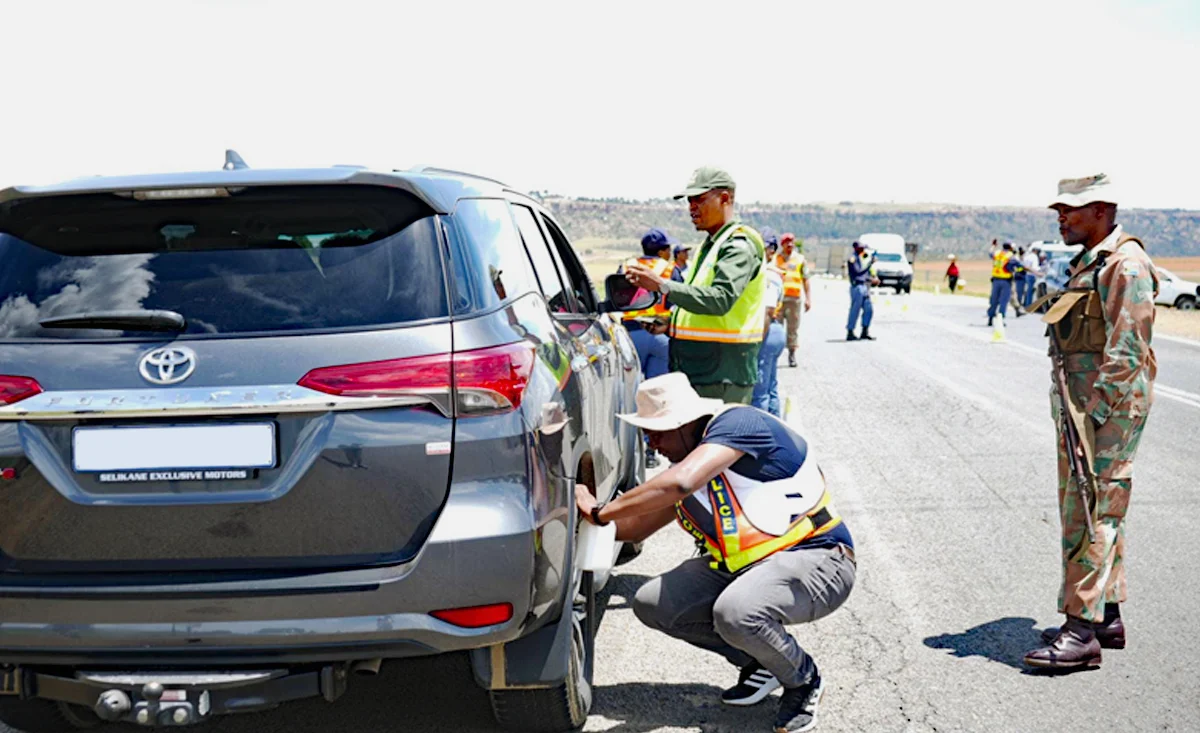
“Research shows weekends, late-night travel and fatigue periods are high risk. We will increase roadblocks, checks for vehicle roadworthiness, driver licenses, seatbelt and child-restraint use, as well as clamp down on speeding and drunken driving,” Creecy said.
Creecy urged South Africans to take personal responsibility as the busiest travel period of the year begins. She emphasised that most road crashes in South Africa are not accidents in the true sense of the word—they are preventable and overwhelmingly linked to human behaviour.
She added that this year marks a meaningful milestone: for the first time in five years, the national road death toll has declined by 700 people. However, South Africa still recorded more than 9,400 fatalities so far this year, a number she described as “much, much too high”.
Evidence collected throughout the year shows that human error accounts for nine out of ten accidents, with Gauteng, KwaZulu-Natal, the Western Cape, Eastern Cape and Limpopo responsible for most fatal crashes. Pedestrians remain the most vulnerable group, accounting for more than half of road deaths.
For this reason, the campaign will intensify behaviour-change programmes, run extensive public awareness drives, and increase law enforcement visibility, including 24-hour patrols in high-risk corridors. Weekend travel, late-night driving and long stretches where fatigue sets in remain the most dangerous periods on South Africa’s roads.
Roadblocks will be stepped up, with authorities focusing on roadworthiness, licenses, seatbelt and child-restraint use, and aggressive action against speeding and drunk driving.
The Automobile Association of South Africa (AA) told BusinessTech that it is essential that discussions about dangerous roads are grounded in verified data. Official statistics provide the clearest picture of accident trends and high-risk routes, particularly during the festive season when traffic volumes surge.
According to the Department of Transport and recent road-safety reports, several national and provincial roads consistently emerge as the country’s most dangerous.
The most dangerous roads, as outlined by the AA, are:
- N1 (Pretoria to Polokwane, Cape Town to Johannesburg): Heavy traffic volumes and reckless overtaking make this route a hotspot for collisions.
- N2 (Cape Town to Durban, especially KwaZulu-Natal): One of the busiest highways in the country, plagued by speeding, drunk driving, and pedestrian activity.
- N3 (Johannesburg to Durban): A key holiday route to the coast, often congested with trucks and long-distance buses.
- N4 (Pretoria to Mpumalanga and Mozambique): Popular with tourists heading to Kruger National Park and cross-border travellers, with fatigue and speeding as major risks.
- N12 (Johannesburg to Kimberley): An alternative to the N1/N3, but long stretches without enforcement make it hazardous.
- Provincial roads such as the R61 (Eastern Cape) and R71 (Limpopo): Poor road conditions and mixed traffic (cars, taxis, buses) contribute to high accident rates.
Naked Insurance co-founder Ernest North told BusinessTech that its claims data also reflects a small but notable increase in car accident claims in December and January. Long-distance routes linking inland provinces with coastal towns see the biggest spike.
This mirrors government data and reflects a familiar pattern: fatigued drivers, heavy holiday traffic, unfamiliar drivers negotiating new routes, and deteriorating road conditions all combine to raise the risks. Urban roads, by contrast, experience more stable accident patterns.
As holiday travel picks up, road safety experts and insurers offer several practical guidelines. Drivers should maintain awareness at all times by keeping a safe following distance, scanning mirrors and steering clear of visibly risky drivers. Alcohol and driving should never mix, as even small amounts impair reaction times.
Speed limits must be obeyed and adjusted for traffic, weather and potholes. Before any long trip, a basic vehicle check is vital. Fatigue is a silent killer, making scheduled breaks every two hours essential. Overloading vehicles compromises control and braking, while seatbelts—and proper child restraints—remain non-negotiable.
Travellers should also plan their routes carefully, avoiding damaged roads, peak congestion and severe weather when possible.