

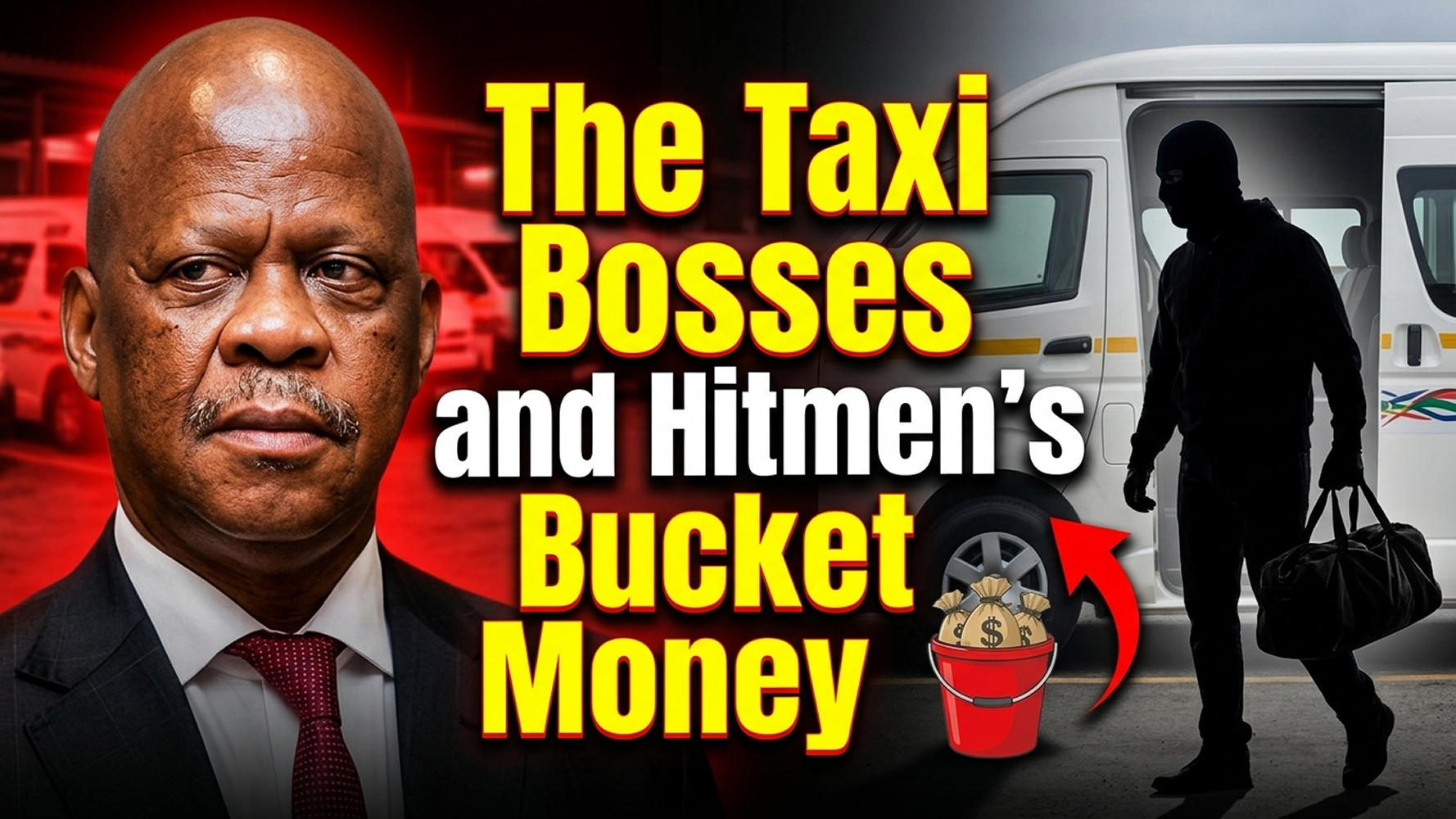
The South African taxi industry, a vital transport network, is embroiled in deadly "taxi wars," fueled by a disturbing practice known as "bucket money." This term, seemingly innocuous, was exposed at the Madlanga Commission through the testimony of Mpumalanga taxi boss Joe Ferrari Sibanyoni, revealing a system where cash collected from operators is used to fund violence, including assassinations, or to reward hitmen with lucrative taxi routes.
Sibanyoni's testimony on August 28, 2026, connected various threads of the ongoing inquiry: taxi violence, organized crime, alleged police corruption, private security companies, and cartel activities. He detailed how "bucket money" pools funds to hire "izinkabi" (hitmen) to eliminate rivals. Instead of cash, a hitman might receive control over a profitable taxi route, a reward that generates income for years. This mechanism transforms the understanding of taxi violence, highlighting the immense financial stakes involved in route control.
The system, according to Sibanyoni, can operate discreetly within taxi associations, with some members unknowingly contributing to violent schemes while others are fully aware. He also linked "bucket money" to findings from the earlier Shongwe Commission, indicating a long-standing problem. The investigation now focuses on the money trail—who collects, manages, and spends these funds—and how route changes correlate with violent incidents. The true beneficiaries, often hidden behind structures, are not always the direct perpetrators.
Sibanyoni further alleged the use of KwaZulu-Natal-based security companies to instill fear at taxi ranks, where high-caliber firearms were openly displayed. This creates a climate of terror, impacting drivers, commuters, and local businesses dependent on the industry.
Despite his own claims of legitimate business over 42 years, Sibanyoni, who operates around 400 minibuses, has been linked by previous witnesses to criminal networks, police intelligence leaks, and the "Big Five cartel." He rejected these claims, stating he reported concerns about cartel operations to the police minister. His testimony also implicated senior South African Police Service officials in a "cabal" operating from Msibi's farm, suggesting deep-seated corruption where police information might be leaked to criminal elements.
Sibanyoni himself survived two assassination attempts in 2006 and 2022, underscoring the personal danger within the industry. He is also facing separate extortion and money-laundering charges. His complex narrative places the phrase "bucket money" at the center of a violent struggle for commercial power within South Africa's essential public transport sector. The Madlanga Commission seeks to unravel the connections between money, routes, and alleged police complicity to expose those who finance, organize, and protect this pervasive violence.