The Bedroom Siege: How an Armed Gang Targeted One of South Africa’s Most Respected Diplomats
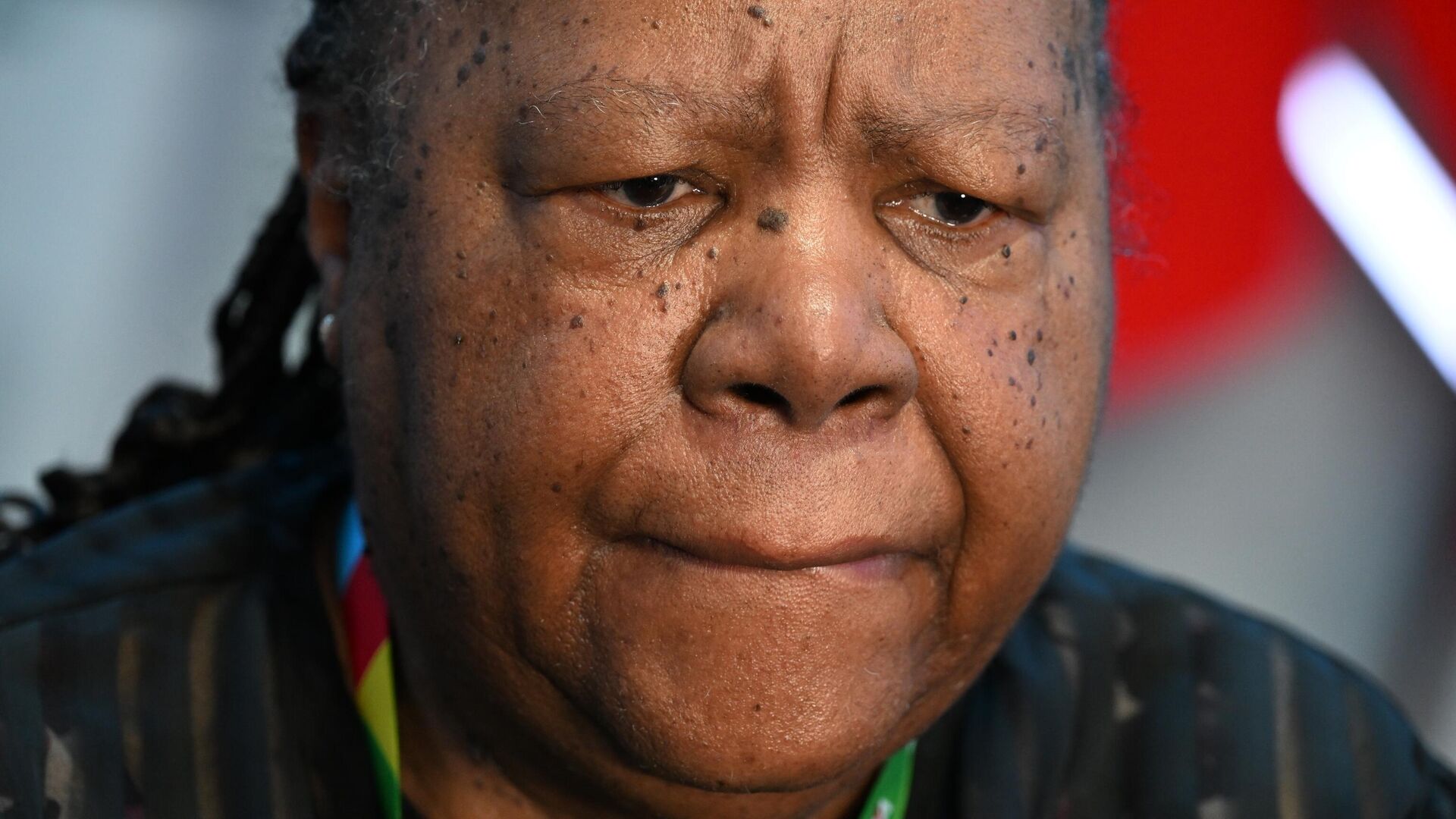
The silver Toyota Cross was found abandoned in the dusty streets of Mamelodi East, a stark contrast to the quiet, tree-lined suburb of Villieria where it had been stolen just hours earlier. For the South African Police Service (SAPS), the recovery of the vehicle was a small victory in a case that has once again turned the national spotlight on the country’s relentless battle with violent crime. But for the victims—former International Relations Minister Dr Naledi Pandor and her husband—the recovery of a car does little to erase the memory of being held at gunpoint in their own home.
On the night of Friday, May 22, 2026, the sanctuary of the Pandor residence was shattered. At approximately 9:00 PM, while many in Pretoria were settling in for the weekend, three men wearing balaclavas and carrying firearms forced their way into the property. It was a clinical, brazen operation that lasted only minutes but left a lasting mark on the 72-year-old veteran diplomat and her family.
Crime activist Yusuf Abramjee, who first broke the news of the attack, provided a chilling account of the encounter. According to his reports, the gang did not merely break in; they took total control of the household.
"The suspects reportedly confronted Dr Pandor in her bedroom, while another suspect held her husband in the bathroom as the house was searched and ransacked," Abramjee posted on social media shortly after the incident.
The image of a former cabinet minister, a woman who has represented South Africa on the world stage for decades, being confronted in her most private space by armed intruders is a jarring one. While the robbers searched the house, they focused on high-value, portable electronics. By the time they fled, they had collected several television sets, a laptop, and multiple mobile phones. They then loaded their haul into the family’s Toyota Cross and sped away into the night.
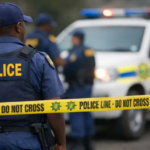
National police spokesperson Brigadier Athlenda Mathe confirmed that a high-level investigation was immediately launched.
"Police are working around the clock to trace and apprehend those responsible," she said in a brief statement to the press.
By Saturday morning, the stolen vehicle had been located in Mamelodi East, but the suspects remained at large. Tshwane District Commissioner Major General Samuel Thine is expected to visit the Pandor family this week, not only to provide an update on the case but to discuss broader policing interventions aimed at curbing the rise of house robberies in the district.
To understand why this incident has resonated so deeply, one must look at the stature of the victim. Dr Naledi Pandor is not just any former politician; she is an elder stateswoman of the African National Congress (ANC) and a figure of immense international standing. Having served as the Minister of International Relations and Cooperation from 2019 to 2024, she was the face of South African diplomacy during some of the most turbulent years in recent memory. Only recently, in April 2026, she took up her new role as the Chancellor of Nelson Mandela University.
The fact that someone of her prominence could be targeted in such a manner has raised difficult questions about the security of former public officials. In South Africa, the debate over VIP protection is a constant and contentious one. For the 2026/27 financial year, the government is projected to spend over R4 billion on the protection of the President, ministers, and other high-ranking officials. However, once a minister leaves office, that protection is often scaled back or removed entirely after a transition period.
Critics, including the Democratic Alliance (DA), have long argued that this expenditure is lopsided.
"R4.2 billion for VIP protection while communities face gangs and extortion?" the party questioned in a recent statement.
The robbery at the Pandor home highlights the irony of this situation: while billions are spent on the "blue light brigades" that whisk current ministers through traffic, those who have finished their service are left as vulnerable as any other citizen in a country where home invasions are a daily reality.
The timing of the attack is also significant. It comes just months after President Cyril Ramaphosa’s 2026 State of the Nation Address (SONA), in which he made a startling admission about the state of the country’s safety.
"Organised crime is now the most immediate threat to our democracy, our society and our economic development," the President told the nation.
While the police have pointed to statistics showing a decline in certain types of crime, the public perception remains one of fear. Acting Police Minister Firoz Cachalia recently released the crime statistics for the third quarter of the 2025/2026 financial year, noting that total violent crime had decreased by 6.7%, with house robberies specifically dropping by 20.4% between January and March 2026.
However, these numbers mean very little to the families who find themselves staring down the barrel of a gun. The Pandor robbery is part of a worrying trend of high-profile figures being targeted. Only weeks ago, the Glenhaven home of Jerome Booysen in Bellville South was the scene of a similar attack. In a separate and even more tragic incident, the nation was recently left reeling by the brutal murder of two tourists at Kruger National Park, an event that has threatened the vital tourism sector.
The geography of the Pandor robbery also tells a story. Villieria is an established, middle-class suburb in Pretoria, an area that many would consider relatively safe. Yet, the ease with which the three armed men entered the property suggests a level of planning and audacity that is becoming more common. The recovery of the car in Mamelodi East—a township with its own complex history of crime and socio-economic struggle—illustrates the fluid movement of criminal syndicates across the city's boundaries.
In the wake of the attack, social media has been flooded with messages of support for Dr Pandor, but also with a palpable sense of frustration. Many South Africans have noted that if a former minister with presumably high-end home security cannot feel safe, then the average citizen has little hope. The incident has stripped away the illusion that status or wealth can provide a total shield against the "crime epidemic" that some experts, like investigator Mike Bolhuis, have called a national security crisis.
As the investigation continues, the SAPS is under immense pressure to deliver results. The recovery of the car is a lead, but without arrests, it remains a hollow achievement. Forensic teams have been combing the vehicle for DNA and fingerprints, hoping to match them against the national database. Meanwhile, the search for the stolen televisions and laptop continues, as these items are often quickly moved through informal markets or "chop shops."
For now, Dr Pandor and her husband are left to pick up the pieces. Reports indicate that they were not physically harmed, but the psychological toll of such an invasion is often much harder to repair. The "search and ransack" of their home represents more than just the loss of electronics; it is the loss of the feeling of safety in the one place where every person should feel most secure.
The story of the Pandor robbery is not just a story about a single crime. It is a story about the current state of South Africa in 2026—a country that is making statistical progress in the fight against crime but is still haunted by the brazenness of those who operate outside the law. It is a story about the vulnerability of our leaders and the shared anxiety of our citizens.
As the sun sets over Pretoria, the residents of Villieria will be checking their locks and testing their alarms with a little more urgency than before. And in the halls of power, the debate over how to protect both the people and the state will continue, likely with more heat than light. Dr Naledi Pandor, a woman who has spent her life fighting for the dignity of South Africans, now finds herself a witness to the very indignity that millions of her compatriots face every day.
The police have called for anyone with information to contact Crime Stop on 08600 10111. Whether anyone will come forward in a climate where fear often silences witnesses remains to be seen. But one thing is certain: the events of Friday night have ensured that the conversation about crime in South Africa will not be going away any time soon.