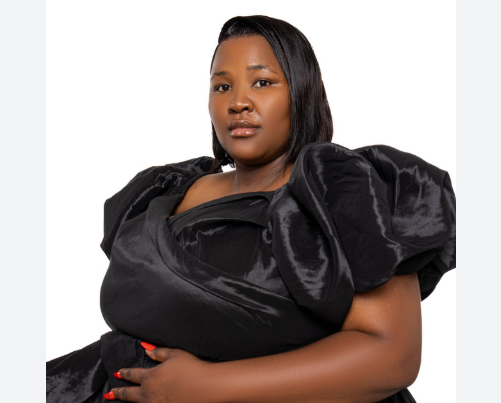
In the glitzy world of entertainment, the lights often mask the darkest of tragedies. For Afro-soul singer Puleng Phoofolo, the darkness became a permanent fixture on a fateful night on the N1 road in the Free State. For the first time, the survivor of the horrific car accident that claimed the lives of rising stars Malome Vector and Lizwi Wokuqala has shared the harrowing details of the night that changed the South African music industry forever. This is a story of survival, loss, and the heavy price of fame on South Africa's dangerous roads.
The accident, which occurred in mid-2024, left the nation in mourning as news broke that Bokang Moleli, popularly known as Malome Vector, had died at the age of 32. But for Puleng, who was in the vehicle, the tragedy wasn't just a news headline—it was a visceral, life-altering experience that she is still struggling to process. The N1 stretch between Kroonstad and Ventersburg has long been notorious for fatal accidents, but for the music community, it became a site of profound loss.
"I remember the sound of the impact," Puleng shared in a recent interview, her voice trembling with the weight of the memory. "It’s a sound that never leaves you. One minute we were laughing, talking about our plans, our music, our dreams. We were excited about the shoot in Lesotho. The next, there was just silence and the smell of smoke. My friends died instantly. I was the only one left, and I’m still asking God why I was spared."
The crash occurred while the group was travelling to Lesotho for a music video shoot. Malome Vector, a Lesotho-born artist who had found massive success in South Africa with hits like "Dumelang," was at the height of his career. His death, along with that of Lizwi Wokuqala and their videographer, sent ripples of grief through the industry. The loss was felt not just in South Africa, but deeply in Lesotho, where Malome Vector was seen as a national hero who had conquered the continental stage.
Puleng’s journey since that night has been one of immense physical and emotional pain. She underwent multiple surgeries and spent months in the hospital, but she says the physical scars are nothing compared to the survivor's guilt she carries. "Every time I close my eyes, I see their faces. I feel like I should have done something, but there was nothing to be done. It happened so fast. One second of impact, and a lifetime of consequences."
The singer has recently released a new EP titled "Nthabiseng," which she describes as a tribute to her fallen friends and a testament to her own survival. The music is deeply personal, reflecting her journey through the trauma and her eventual return to the studio. "Music was the only thing that kept me sane. When I couldn't walk, I could still sing. When I couldn't sleep, I would write lyrics. This EP is for them. Every note is a memory."
However, the road to recovery has been marred by the harsh realities of the music business. Puleng admitted that she felt abandoned by some in the industry during her recovery. "When you're at the top, everyone wants to be your friend. But when you're in a hospital bed, the calls stop coming. It’s been a lonely road, but it’s also shown me who my real friends are. It’s a cutthroat industry, and sometimes the support is only as deep as your next hit."
The accident has also reignited conversations about the safety of South African roads, particularly for artists who often travel long distances at night for gigs. Many have called for better support systems for touring musicians, including professional drivers and more awareness about the dangers of driver fatigue. This incident mirrors other tragic losses on our roads, such as the death of HHP or the more recent passing of Amapiano stars Mpura and Killer Kau.
Malome Vector’s family has been a source of strength for Puleng, and she remains close to them. "We share a bond that no one else can understand. We lost the same people, we carry the same pain. They are my family now."
As Puleng Phoofolo makes her triumphant return to the stage, she does so with a heavy heart but a clear purpose. She wants to honour the memory of Malome Vector and Lizwi Wokuqala by continuing the work they started. "They had so much more to give. I feel like I’m living for three people now. I have to make it, for them. I have to ensure their legacy lives on through my voice."
Her story is a sobering reminder of the fragility of life and the enduring power of the human spirit. While the "nightmare" of the N1 crash will never truly be over for Puleng, she is choosing to turn her pain into art, ensuring that the voices of her friends are never truly silenced. In a country where road carnage is a daily reality, her survival is a miracle, but her grief is a testament to the lives that were cut far too short.