

Potentially Revolutionary Plant Shows Promise Against Drug-Resistant Cancers, Offering New Avenues for Treatment
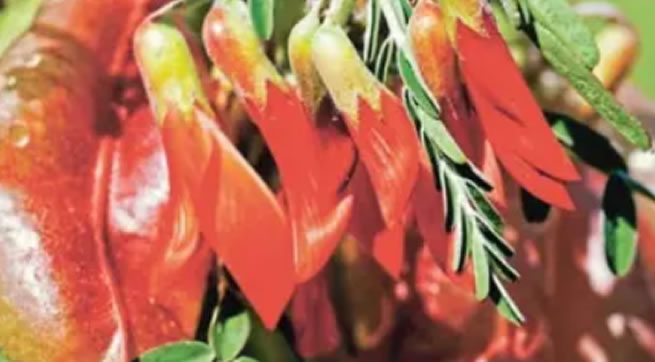
A common plant found across South Africa, long revered in traditional medicine, is now at the forefront of modern scientific inquiry, holding the potential to combat some of the most challenging cancers to treat. Researchers at North-West University (NWU) are delving into the anti-cancer properties of Lessertia frutescens, widely known as cancer bush, Sutherlandia, or Cape bladder pea. Locally, it is also recognised as phetola in Tswana and unwele or insiswa in Zulu, underscoring its deep roots within indigenous healing practices across the nation.
Laboratory studies conducted by the NWU team have yielded highly encouraging results, demonstrating significant activity against several aggressive cancers, including forms that have become resistant to conventional chemotherapy, such as drug-resistant lung cancer and colorectal cancer. These promising findings are now propelling further research into the indigenous plant's potential role in future cancer treatments, offering a glimmer of hope as a complementary therapy or even an alternative during breaks from gruelling chemotherapy regimens.
Chrisna Gouws, a distinguished research professor in the Centre of Excellence for Pharmaceutical Sciences within the Faculty of Health Sciences at NWU, highlighted the plant's historical significance. "The plant has been in indigenous use for a long time in South Africa. It is found across regions, predominantly the Western Cape, Northern Cape and up to KwaZulu-Natal," Professor Gouws explained, emphasising its widespread traditional application.
The long-term vision for this remarkable plant is to integrate it into mainstream healthcare as a complementary medicine. Professor Gouws elaborated on this ambition, stating, "The plan is to have it as complementary medicine on the market as palliative care treatment for support of treatment for patients who had chemotherapy and it didn’t work or patients who are taking a break from chemo." This approach could offer a much-needed lifeline for patients who have exhausted conventional options or require additional support during their cancer journey.
The significance of this research cannot be overstated, particularly given the challenges posed by cancers that no longer respond to established chemotherapy protocols. For these patients, treatment options are severely limited, making any new discovery profoundly impactful. "Lessertia frutescens has shown significant anti-cancer activity against several different cancer types in our research," Professor Gouws affirmed, pointing to the broad spectrum of its potential efficacy.
The NWU research team meticulously tested extracts derived from the indigenous plant on human cancer cells and on laboratory-grown mini-tumours, known as spheroids. The results have been particularly compelling in cases where current treatments fall short. "What is very interesting and exciting is the apparent activity in drug-resistant cancers such as resistant small cell lung cancer, where known chemotherapies have limited to no activity," Professor Gouws revealed. "This provides us with new avenues to investigate for treatment options to treat cancers currently considered incurable." This breakthrough opens up critical new pathways for medical science to explore in the ongoing battle against cancer.
Beyond its direct anti-cancer properties, the cancer bush also boasts a long history of safe use, a factor that greatly enhances its appeal for medical applications. "An important consideration is that this plant has a long history of use and is considered non-toxic and safe for use," Professor Gouws underscored. While the plant may present some side effects, similar to those experienced during chemotherapy, its overall benefits for the body are considered substantial.
Professor Gouws further explained the holistic advantages of the plant, noting its potential to improve overall patient well-being. "The plant may boost the digestive and immune systems, and it can have mood-enhancing activities as well. It may therefore not only target the cancer but positively impact the patient as a whole at the same time," she said. This comprehensive benefit could be invaluable for cancer patients, who often suffer from compromised immune systems, digestive issues, and emotional distress during treatment.
While the cancer bush is generally considered safe and beneficial, Professor Gouws advises caution for individuals currently on chronic medication. She recommends that anyone considering using the plant consult with a medical professional first to ensure there are no adverse interactions or contraindications. This responsible approach ensures that the plant's potential can be harnessed safely and effectively within a broader healthcare strategy.
The ongoing research at North-West University represents a beacon of hope, demonstrating how South Africa's rich biodiversity and traditional knowledge can contribute significantly to global medical science. As scientists continue to unravel the full potential of Lessertia frutescens, it stands poised to become a vital component in the future of cancer treatment, offering new possibilities for patients facing some of the most formidable forms of the disease.