

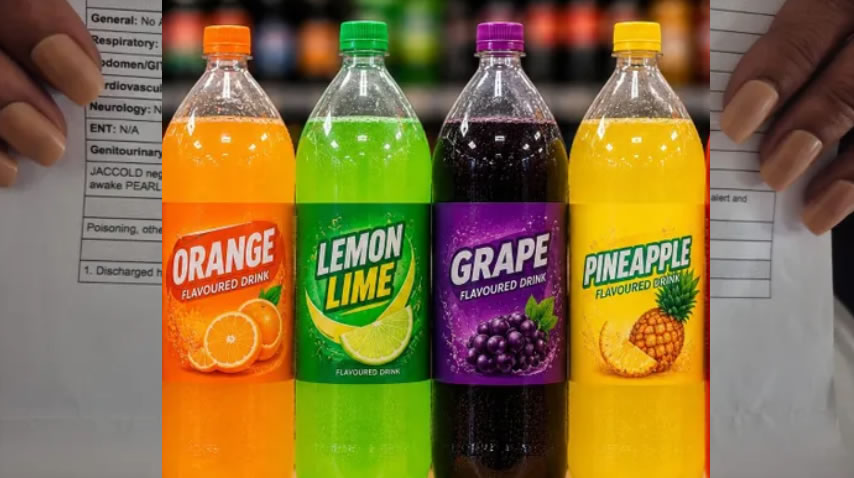
Ottery – A quiet Saturday evening in the Cape Town suburb of Ottery turned into a night of absolute terror for the Adam family after six children were rushed to hospital, allegedly poisoned by cooldrink bought from a local spaza shop. The incident, which has left the community in a state of shock and anger, took a dark turn when hospital tests reportedly detected a cocktail of dangerous drugs, including heroin and tik, in the children’s systems.
The nightmare began when Sakeena Adam and her husband sent the children, aged between six and 15, to a nearby "winkel" (shop) to buy two bottles of cooldrink before supper. The group, consisting of four of the Adam’s own children and two family friends, returned with a Coke for the adults and a separate flavoured cooldrink for themselves. It was a routine errand that would nearly cost them their lives.
About an hour after consuming the drink, the children began complaining of severe headaches. The situation escalated rapidly when Sakeena’s eldest son noticed something was terribly wrong with one of the younger children. The scene that followed was one of pure chaos: children began collapsing, vomiting excessively, and coughing up blood.
“My asthmatic 15-year-old daughter needed cardiopulmonary and mouth-to-mouth resuscitation,” a traumatised Sakeena Adam recalled. “The other children were vomiting and struggling to breathe. It was a living nightmare.”
An ambulance was called, and the six children were transported to three different hospitals across the city, including the Red Cross War Memorial Children’s Hospital. It was at these facilities that the most shocking revelations emerged. According to Sakeena, the medical tests conducted on the children yielded results that were almost impossible to believe.
“My kids were tested and they found seven types of drugs in them,” she alleged. “Heroin, tik, cannabis, ecstasy, a date-rape drug, Xanax and other drugs. All of them were tested, and the cooldrink was tested as well. They found the drugs in the drink.”
The allegation that a simple bottle of cooldrink could contain such a lethal mixture of narcotics has sparked a massive investigation by the Philippi police. Constable Ndakhe Gwala confirmed that an enquiry has been opened and that the cooldrink has been taken to a forensic laboratory for further testing.
The incident in Ottery is the latest in a series of disturbing cases involving spaza shops and food safety in South Africa. In 2024, the country was rocked by the deaths of 23 children who allegedly died from poisoning after eating snacks bought from informal traders. These tragedies led to widespread calls for stricter regulation and more frequent raids on spaza shops to ensure compliance with health and safety by-laws.
In the Ottery case, the owner of the property where the "huiswinkel" (house shop) operates has reportedly closed the shop. The shop manager, who identified himself as "Jimmy," expressed disbelief and denied any intention to harm the children. “We buy our supplies from a cash-and-carry in Khayelitsha. We do not know how this happened,” he told reporters.
However, for the Adam family, the manager’s denials offer little comfort. The six-year-old child remained in the Red Cross hospital until Monday, a testament to the severity of the poisoning. The psychological trauma for both the children and their parents is expected to be long-lasting.
The Ottery poisoning has reignited the debate about the safety of products sold in the informal sector. While spaza shops are the backbone of many South African communities, providing essential goods and services, the lack of oversight has often led to the sale of expired, counterfeit, or contaminated products. The presence of hard drugs in a children’s drink, if confirmed by forensic testing, would represent a new and terrifying level of criminality.
Public Protector and other government agencies have recently provided updates on their ongoing probes into food safety at spaza shops. These investigations have often found that many shops lack proper ventilation, fail to comply with basic hygiene standards, and operate without the necessary permits. The Ottery incident will likely place even more pressure on authorities to take decisive action.
Community members in Ottery have expressed their outrage, with some calling for the permanent closure of shops that are found to be non-compliant. The fear that a simple purchase could lead to a life-threatening emergency has left many parents on edge. “We trust these shops because they are in our streets, run by people we see every day,” one resident said. “But if our children are not safe buying a cooldrink, where are they safe?”
As the Philippi police continue their investigation, the focus remains on the forensic results of the cooldrink. The outcome of these tests will be crucial in determining whether the contamination was accidental or a deliberate act of malice. The State’s ability to successfully prosecute those responsible will be a test of its commitment to protecting children from the predatory elements of the informal economy.
The story of the Ottery six is a grim reminder of the vulnerabilities faced by children in many South African neighbourhoods. It is a tale of a routine evening that turned into a battle for survival, and a family that has been left to pick up the pieces of a shattered sense of security. As the children recover from the physical effects of the drugs, the demand for justice and for safer communities continues to grow.
For Sakeena Adam, the focus is now on her children’s long-term health and the quest for answers. “What kind of person does this to children?” she asked. It is a question that all of South Africa is now asking, as the nation waits for the truth to emerge from the forensic lab. The eyes of the community are on the Philippi police, waiting for the next move in a case that has redefined the meaning of a "dodgy spaza shop."