SYSTEMIC NEGLECT OR RESOURCE CRISIS? MITCHELLS PLAIN HOSPITAL UNDER FIRE AS HUMAN RIGHTS COMMISSION STEPS IN
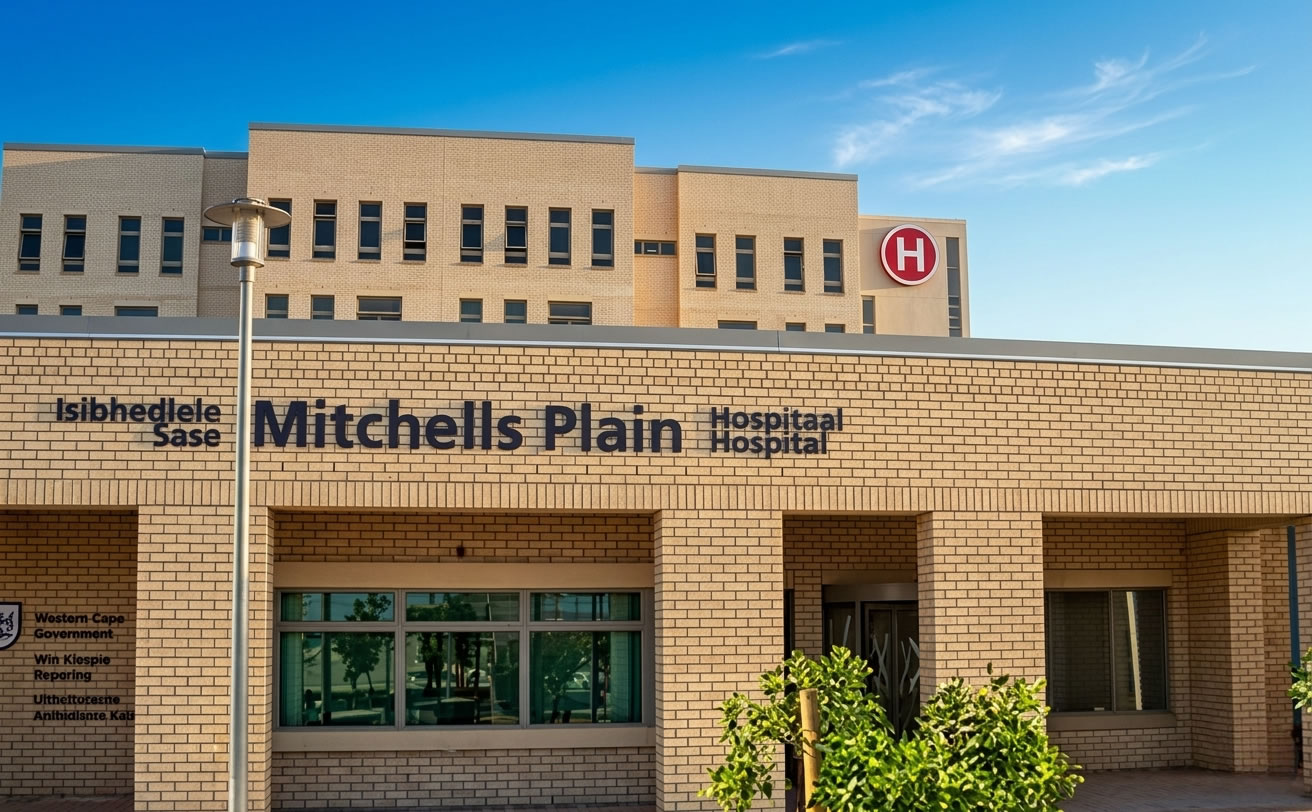
MITCHELLS PLAIN – The clinical, sterile corridors of Mitchells Plain District Hospital have become the backdrop for a burgeoning human rights crisis, as a series of harrowing patient experiences has forced the South African Human Rights Commission (SAHRC) to intervene. What began as individual cries for help from distraught families has coalesced into a formal investigation into the facility's emergency care protocols, triage effectiveness, and the fundamental dignity afforded to those in its care.
The catalyst for the latest escalation is the case of Godfrey Bougaard, a known cardiac patient with a history of open-heart surgery. Admitted on 15 March 2026 after exhibiting symptoms consistent with a heart attack, Bougaard's ordeal has become a symbol of the systemic failures alleged by the local community. According to his family, the high-risk patient was left to languish in the emergency unit for approximately 48 hours while waiting for a hospital bed.
During this two-day vigil, the family alleges that Bougaard was not adequately monitored. The physical toll of this delay was visible; by the time he was finally moved, he had developed painful blisters on his buttocks—a direct result of prolonged immobility on a hospital trolley. Subsequent medical tests confirmed a terrifying reality: there was fluid around his heart.
"My feelings regarding the service at Mitchells Plain District Hospital are deeply concerning," Bougaard stated, reflecting on an experience that he believes is symptomatic of a much larger malaise. "This particular incident reflects what many members of our community have been expressing for years, that there are serious shortcomings in how urgent medical situations are sometimes handled."
The allegations, however, extend beyond medical delays into the realm of professional conduct. The family has raised serious concerns regarding remarks reportedly made by hospital staff, who allegedly questioned whether Bougaard was "that pastor from Facebook"—a reference to his brother, Reverend Oscar Bougaard, a vocal community advocate.
For Godfrey Bougaard, the decision to involve the SAHRC was a matter of necessity rather than choice. "The decision to approach the South African Human Rights Commission was not taken lightly. It was taken because this matter touches on fundamental rights, particularly the right to healthcare, dignity, and the protection of life," he explained. "When a patient presents with severe symptoms and is required to wait several hours before being attended to, it raises questions about the effectiveness of the triage process and the urgency with which life-threatening conditions are treated."
Reverend Oscar Bougaard, who has been instrumental in bringing these issues to light, emphasized that the goal is systemic reform. "The intention is not to attack individuals within the healthcare system but to ensure accountability, transparency, and ultimately improvements in the system so that similar situations do not occur again," Godfrey Bougaard added.
A Pattern of Peril
The Bougaard case is not an isolated incident. It is the second formal complaint lodged against the hospital in just two weeks, following the nearly fatal experience of Noerisah Sonday. A 39-year-old mother of three, Sonday collapsed on 3 March 2026 and was rushed to the facility suffering from severe head pain, blocked ears, and a loss of muscle strength.
Despite presenting with classic symptoms of a neurological emergency, Sonday was reportedly triaged as ‘Code Green'—a category reserved for non-urgent cases. She was left waiting for nine hours in the emergency centre. It was only after her condition deteriorated significantly that she was correctly diagnosed with a brain aneurysm. She was subsequently transferred to Groote Schuur Hospital for a life-saving DSA coil procedure, where she remained in high care for an extended period.
The Sonday family's experience mirrored the frustrations of the Bougaards. "I thought my sister was going to die at Mitchells Plain District Hospital," a family member remarked during the height of the crisis. The misclassification of a life-threatening brain haemorrhage as a non-urgent matter has sparked intense debate over the hospital's triage accuracy and the competence of the initial assessment teams.
The Institutional Response
The Western Cape Department of Health and Wellness has found itself in a defensive posture, acknowledging the complaints while maintaining that protocols were followed. Samantha Lee-Jacobs, a spokesperson for the department, confirmed that a formal investigation into the Bougaard matter is underway.
Providing a detailed timeline, Lee-Jacobs stated that Bougaard arrived at the emergency centre at 12:30 on 15 March, was triaged at 12:43, and assessed by a medical practitioner at 12:55. "A medical practitioner assessed him, and following ongoing observation and investigations, he was referred to the Internal Medicine team. These assessments were conducted in accordance with emergency care protocols," she said.
The department attributed the long wait for a bed to a chronic resource shortage, noting that the hospital operates at a staggering 97% occupancy. "Beds become available only once patients can be safely discharged from the wards. During a wait for a ward admission, patients are constantly monitored by qualified medical professionals," Lee-Jacobs insisted. She further claimed that, based on clinical records, Bougaard received "appropriate care" and that all actions were guided by established protocols.
However, this clinical reassurance does little to explain the development of pressure sores or the alleged verbal misconduct by staff.
Staffing Under Strain
The Health and Other Service Personnel Trade Union of South Africa (Hospersa) has weighed in on the controversy, painting a picture of a facility pushed to its absolute breaking point. The union revealed that the emergency unit at Mitchells Plain District Hospital manages approximately 5,000 patients every month, operating under severely constrained staffing levels and infrastructure limitations.
While Hospersa stated it does not condone unprofessional or discriminatory conduct, it highlighted the "immense pressure" healthcare workers face. The union noted a critical shortage of specialised nurses and resource constraints that make it difficult to provide the constant, close monitoring required for high-risk cardiac and neurological patients in an overcrowded emergency setting.
"While we recognise that healthcare workers operate under immense pressure and difficult circumstances, the community must also feel confident that when someone enters a hospital with potentially critical symptoms, they will receive the attention and urgency that the situation demands," Godfrey Bougaard countered.
The Road to Accountability
The South African Human Rights Commission has confirmed receipt of the complaints. Wisani Baloyi, spokesperson for the SAHRC, stated that the Western Cape Provincial Office received the formal filing on 23 March 2026. While the Commission has advised the complainants to exhaust internal hospital and departmental processes first, it remains a backstop for justice should those avenues fail.
"If the complainant is still not satisfied, he was advised to revert to the Commission for further assessment of the complaint," Baloyi said.
The situation at Mitchells Plain District Hospital is reflective of a broader crisis within the South African public health sector, where the right to "access to health care services," as enshrined in Section 27 of the Constitution, is frequently undermined by administrative inefficiency and resource scarcity. In February 2025, the facility was also in the news when a local man won a medical negligence case following the removal of his kidney, further denting public confidence.
Godfrey Bougaard's advice to the hospital staff is a mixture of empathy and a demand for excellence. "My advice to the staff would first be one of respect and acknowledgement. Many healthcare professionals dedicate their lives to caring for others under extremely challenging conditions," he said. "At the same time, I would urge that every patient who walks through the hospital doors be treated with the seriousness their symptoms deserve, particularly when those symptoms could indicate a life-threatening condition."
He called for stronger collaboration within the triage system, suggesting that medical doctors should be more directly involved in the initial assessment process when complex symptoms are presented. "Listening carefully to patients and those accompanying them is critical because early symptoms often provide the most important clues to what may be happening medically," he concluded.
As the SAHRC begins its assessment, the residents of Mitchells Plain wait to see if these high-profile complaints will lead to the "accountability, transparency, and ultimately improvements" that the Bougaard and Sonday families are so desperately seeking. For now, the hospital remains "in the doc," facing a jury of its own community.
|
Date
|
Incident
|
Outcome
|
|
Feb 2025
|
Medical negligence case won by patient
|
Kidney removed during surgery; court ruled in favour of patient.
|
|
3 Mar 2026
|
Noerisah Sonday (39) collapses
|
Triaged as 'Code Green'; 9-hour wait; later diagnosed with brain aneurysm.
|
|
15 Mar 2026
|
Godfrey Bougaard admitted
|
48-hour wait in ER; developed blisters; fluid found around heart.
|
|
23 Mar 2026
|
Formal complaint lodged with SAHRC
|
Commission begins assessment of patient care issues.
|
|
26 Mar 2026
|
Department of Health responds
|
Confirms investigation; cites 97% occupancy as cause for delays.
|