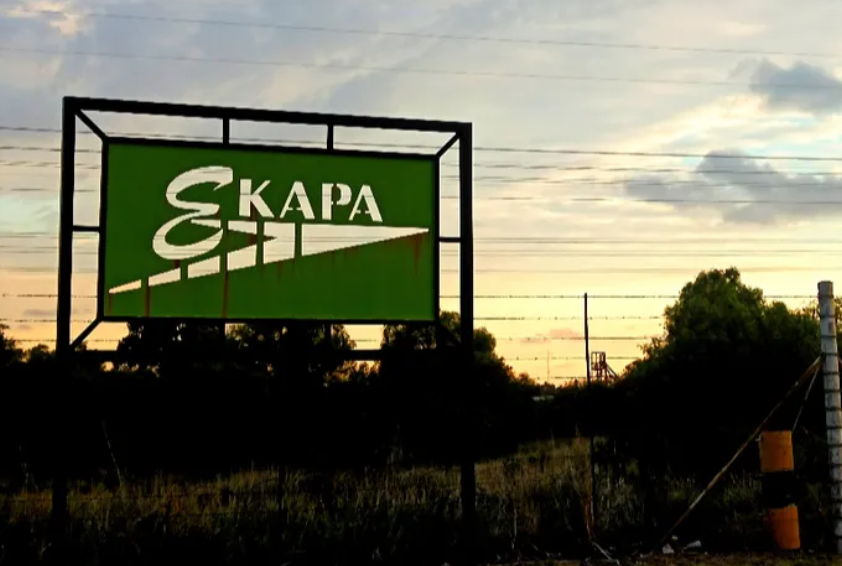
The grim reality of South Africa's mining industry was laid bare this week when rescue teams at Ekapa Minerals' diamond mine in Kimberley recovered the body of one of five miners who have been trapped nearly 890 metres underground since a catastrophic mud rush on 17 February 2026. The recovery, which took place on Monday, 9 March, marks the first confirmed death in what has become a three-week ordeal that has gripped the nation and raised serious questions about safety standards in the country's mining sector.
The five miners were working at the Du Toitspan Joint Shaft when a devastating underground water flood combined with a mud rush trapped them in the depths of the earth. For three weeks, rescue teams have worked around the clock in an attempt to reach the trapped workers, battling against the treacherous conditions created by the initial disaster. The recovery of the first body represents both a breakthrough in the rescue operation and a tragic confirmation of what many had feared.
A Nation Holds Its Breath
Families of the trapped miners have endured an agonising wait, clinging to hope that their loved ones might still be found alive. The recovery of the first body, whilst tragic, has at least provided some closure to one family and confirmed that the rescue operation is making progress in reaching the trapped workers.
Northern Cape Premier Zamani Saul issued a statement expressing heartfelt condolences to the family of the recovered miner and pledging the provincial government's support to all families affected by the disaster. "The recovery of one of the five miners who were trapped in the Du Toitspan shaft at the Ekapa Mine is a sobering reminder of the dangers our mining workers face every day," Saul said, acknowledging the sacrifice made by those who work in South Africa's mines.
The Search Continues
Even as rescue teams celebrated the recovery of the first body, the urgent task of locating the four remaining miners continued. The conditions at the mine remain treacherous, with rescue teams navigating through mud, water, and unstable underground passages in their search. All operations at the Joint Shaft Mine have been suspended as rescue efforts continue, a decision that reflects both the severity of the situation and the commitment to recovering the remaining miners.
The rescue operation has drawn praise from various quarters for its professionalism and determination. However, it has also highlighted the limitations of current rescue technology and the extreme challenges posed by deep underground mining disasters. The depth at which the miners are trapped—nearly 890 metres—makes any rescue operation extraordinarily difficult and dangerous.
Calls for Investigation and Reform
The disaster has prompted calls from various stakeholders for a comprehensive investigation into what caused the mud rush and whether adequate safety measures were in place to prevent such a catastrophe. Mine workers' union Numsa has been particularly vocal, calling for an accelerated search and rescue operation and a full, transparent investigation into the incident.
"This tragedy is a stark reminder of the risks our members face every day," a Numsa spokesperson stated. "We demand that Ekapa Minerals and the relevant authorities conduct a thorough investigation to determine what went wrong and ensure that such a disaster never happens again."
The union's calls for investigation have been echoed by Members of Parliament, who visited Kimberley following the body retrieval to assess the situation firsthand and gather information about the rescue operation. The parliamentary visit signals that the disaster has captured the attention of the highest levels of government and that there will likely be political pressure for accountability and reform.
The Human Cost
Behind the statistics and official statements lies the human tragedy of the situation. Five miners went to work on 17 February expecting to return home to their families. Instead, four remain trapped underground, and one has been recovered as a body. The families of these men have been plunged into uncertainty and grief, facing an agonising wait as rescue teams continue their efforts.
The Northern Cape Provincial Government has moved to provide financial and other support to the families of the trapped miners, recognising the severe hardship they are experiencing. However, no amount of government support can ease the pain of losing a loved one or the anxiety of not knowing the fate of a family member trapped underground.
Broader Questions About Mining Safety
The Ekapa Mine disaster raises broader questions about mining safety in South Africa. The country's mining industry is one of the world's most dangerous, with a long history of accidents, explosions, and collapses that have claimed thousands of lives. Whilst safety standards have improved in recent years, incidents like the Ekapa disaster suggest that more needs to be done to protect workers.
The disaster also highlights the risks associated with deep underground mining. As mines go deeper in search of valuable minerals, the dangers increase exponentially. Water ingress, mud rushes, and other geological hazards become more likely, and rescue operations become more difficult and dangerous. The question facing the mining industry is whether the economic benefits of deep mining justify the risks to workers' lives.
A Nation Mourns
As rescue teams continue their search for the four remaining miners, South Africa mourns the loss of the first confirmed victim and holds hope that the others might still be found alive. The Ekapa Mine disaster serves as a stark reminder of the dangers faced by those who work in the country's mines and the need for continued vigilance in ensuring their safety.
The recovery of the first body marks a turning point in the rescue operation, but the work is far from over. Four miners remain trapped, and their families continue to pray for their safe return. The coming days and weeks will be critical as rescue teams race against time and the treacherous conditions of the mine to locate and recover the remaining workers.